Nature— autumn
Tohoku Autumn Leaves: The Complete Koyo Guide
May 16, 2026
Japan's finest autumn foliage is not in Kyoto. It's in Tohoku. Here's where to go and when.
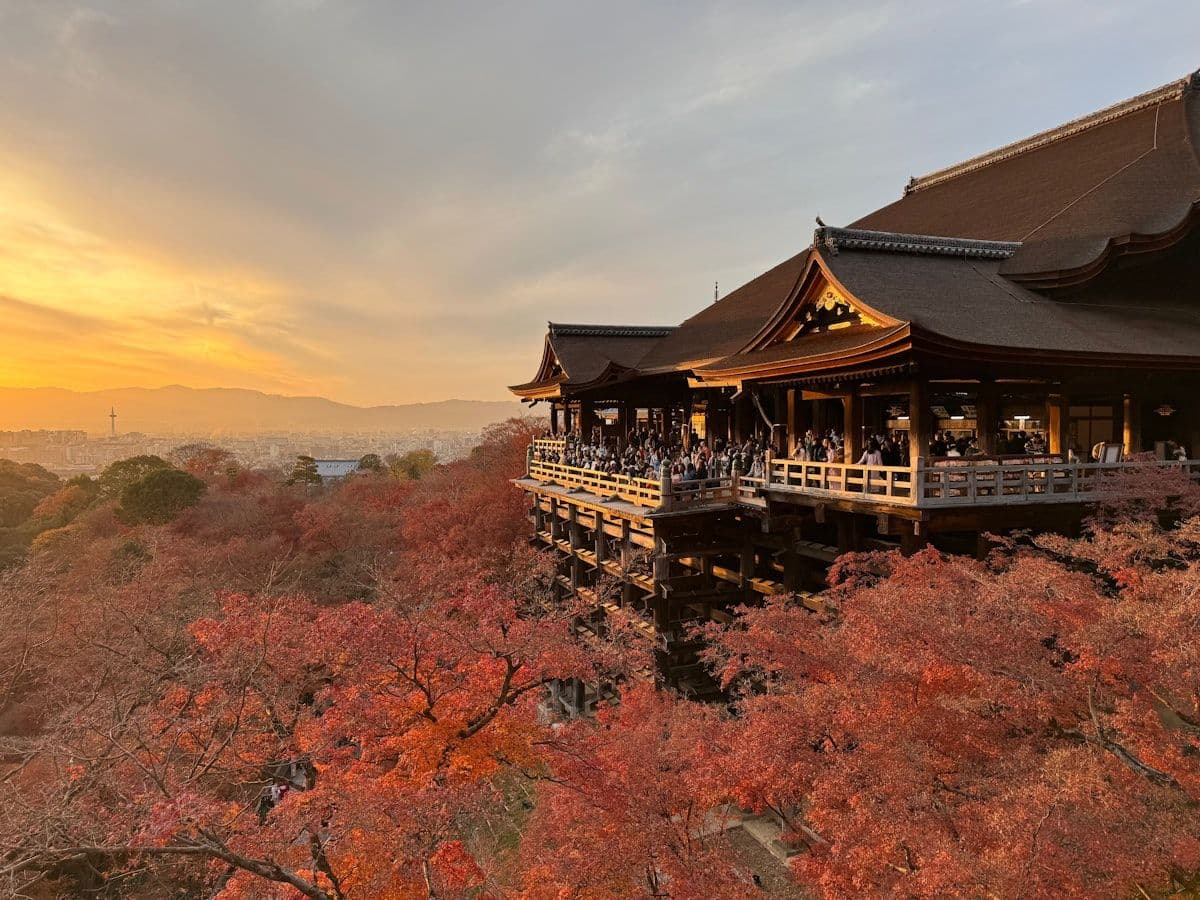
Japan's autumn foliage (koyo) season is famous for Kyoto, Nikko, and the maple corridors of the major cities. But the finest foliage in Japan — the most intense colour, in the most dramatic landscapes, with the fewest crowds — is in Tohoku. The combination of altitude, latitude, and forest type produces a colour display that regularly exceeds anything in the more visited parts of the country.
The challenge for international visitors is timing. Tohoku's koyo season runs from late September (at elevation) through late November (in lower valleys) — a seven-week window across six prefectures. This guide covers the best spots by prefecture and the timing needed to see each at peak.
Why Tohoku's Autumn Leaves Are Japan's Best
Three factors combine. First, latitude: Tohoku is Japan's northernmost main-island region, and colder temperatures produce more intense red and orange pigments in maple leaves. Second, elevation: the mountains of the Ou range and the volcanic peaks reach 1,500–2,000 metres, creating foliage zones that begin in late September while lowland Japan is still green. Third, species: the mix of Japanese maple, oak, birch, and zelkova in Tohoku's forests produces a palette of simultaneous colour that single-species forests cannot match.
Top Spots by Prefecture
Aomori
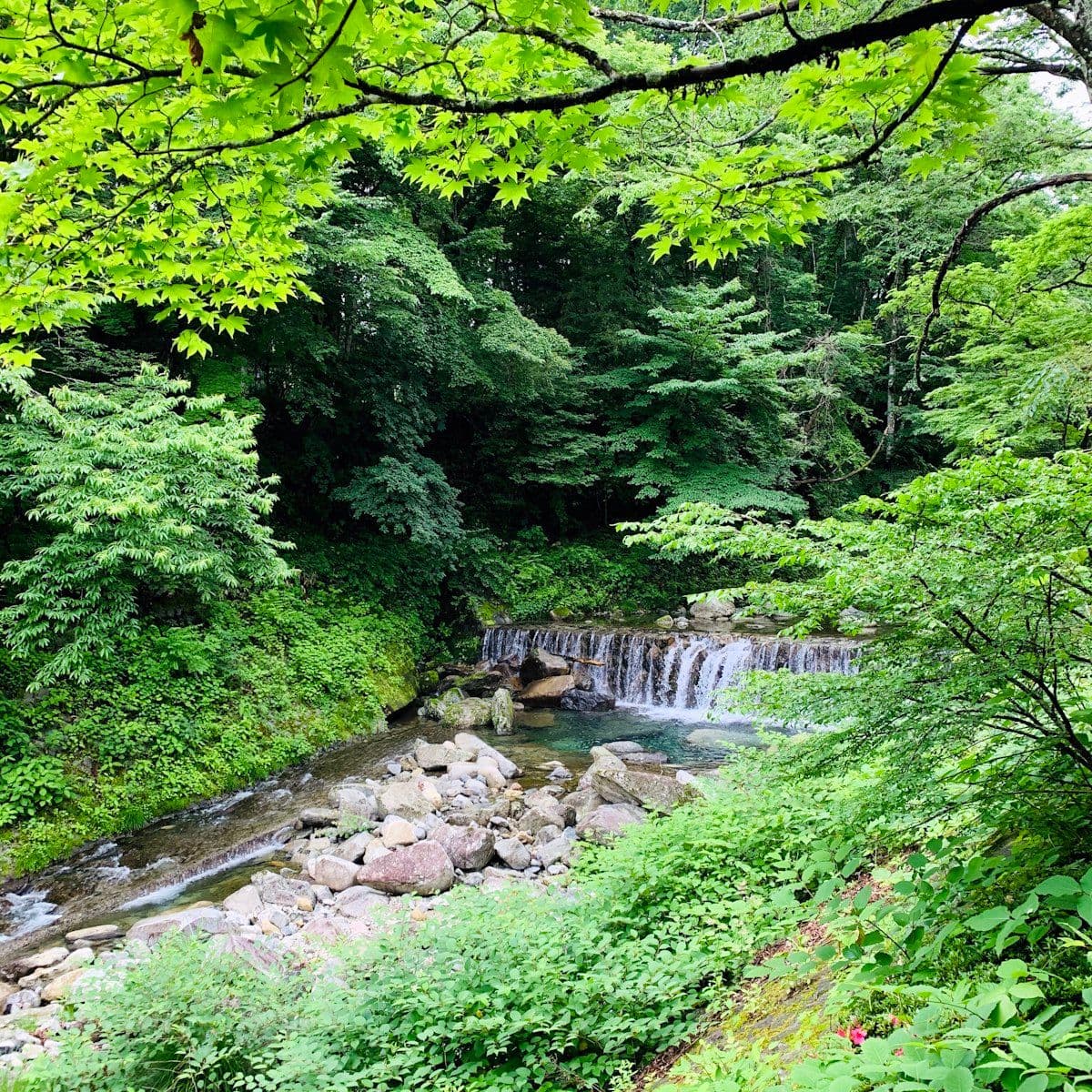
Oirase Gorge (peak: October 15–30): the most celebrated foliage walk in Tohoku. 14 kilometres of old-growth forest along a river. The maples above the moving water are the image that defines Tohoku autumn.
Hirosaki Castle Park (peak: October 20 – November 5): Japan's finest castle moat, ringed by 2,600 cherry trees that also produce extraordinary autumn colour when they turn gold and red.
Iwate
Hachimantai plateau (peak: October 5–20): volcanic plateau at 1,600 metres with open alpine scenery and early-season colour. Accessible by bus from Morioka.
Nature
Oirase Gorge in Autumn: How to Walk Japan's Most Spectacular Leaf-Viewing Trail
In October, Oirase Gorge becomes something else entirely. Here is how to walk Japan's finest autumn forest trail.
Genbikei Gorge (peak: October 15–25): narrow gorge with waterfalls and autumn colour, 30 minutes by bus from Ichinoseki. Famous for the kakko (cable-pulled basket) that delivers snacks across the gorge — a tradition of uncertain origin and certain charm.
Miyagi
Naruko Gorge (peak: October 15–25): a 2-kilometre gorge with vertical walls of maple colour. The viewing platform overlooks the full canyon. Accessible from Naruko Onsen station on the Rikuu East Line.
Shiroishi River (peak: late October): 8 kilometres of riverside paths through mixed forest. Less visited than Naruko but beautiful on clear days.
Akita
Nyuto Onsen (peak: October 10–25): the forest surrounding the seven-ryokan onsen cluster turns vivid in mid-October. Combining onsen and koyo in a single overnight is the Tohoku autumn experience in condensed form.
Dakigaeri Gorge (peak: October 15–30): a narrow, red-walled gorge near Kakunodate with a riverside trail and several waterfalls. Less famous than Oirase and significantly less visited.
Yamagata
Zao Mountain (peak: October 5–20): the volcanic massif that produces the famous winter ice monsters also produces outstanding early autumn colour. The Zao Echo Line toll road crosses the mountain at 1,400 metres and passes through peak colour.
Mogami River Gorge (peak: October 20 – November 5): boat trips through the gorge feature commentary in Japanese and autumn colour on both banks. A very Japanese experience.
Fukushima
Goshikinuma (Five-Colour Lakes) (peak: October 15–25): a cluster of volcanic lakes near Bandai, each a different colour due to varying mineral content. Surrounded by beech forest that turns gold in autumn.
Urabandai plateau (peak: October 10–25): the plateau surrounding the Goshikinuma lakes extends into mixed forest that rivals any foliage destination in Japan. Explore by car or rental bicycle.
Planning the Season
Week 1 of October: high elevation — Hachimantai (Iwate), Zao (Yamagata), Gas-san (Yamagata). Dress for cold (5–10°C at elevation).
Weeks 2–3 of October: middle elevation — Oirase Gorge (Aomori), Nyuto Onsen (Akita), Naruko Gorge (Miyagi), Dakigaeri (Akita), Goshikinuma (Fukushima).
Weeks 3–4 of October: lower elevation valleys — Hirosaki Castle Park (Aomori), Genbikei Gorge (Iwate), Kakunodate (Akita).
November: late colour in the valleys and final colour at Matsushima (Miyagi). By mid-November the main season is finished.
Practical Notes
Booking accommodation: October weekends at peak spots like Nyuto Onsen and Oirase Gorge book out months in advance. Book before August.
Photography: the best light is in the two hours after sunrise and the hour before sunset. The Oirase Gorge in early morning, before the buses arrive, is the single best autumn photography moment in Tohoku.
Weather: October in Tohoku brings clear days but also significant rain. A good rain jacket and waterproof shoes matter more in October than in summer.