Tohoku Through the Year
Four Seasons
Tohoku does not have one face. It has four — each one a reason to come back.
March — May
Spring
When the silence blooms
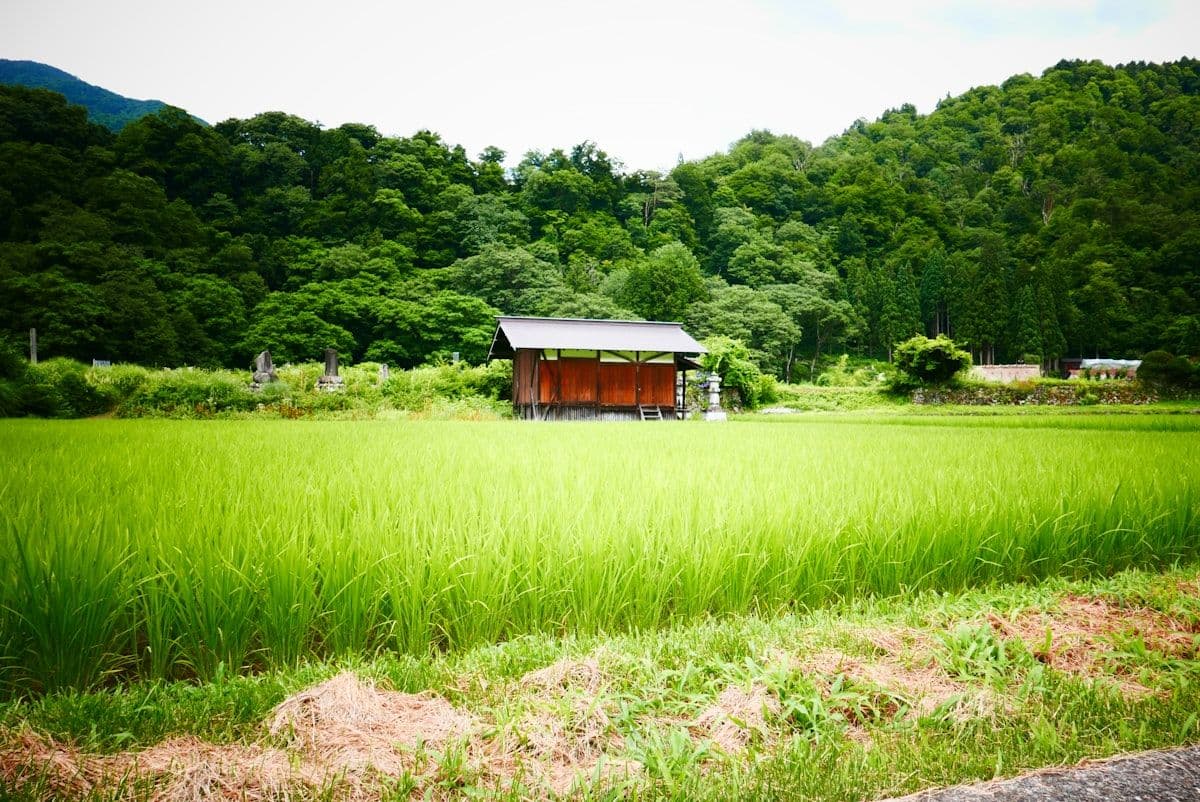
Tohoku's spring arrives late and lingers long — a gift to those who missed the crowds in Kyoto. Hirosaki Castle's moat fills with cherry blossoms a full two weeks after Tokyo's season ends. The rice paddies shimmer with their first water. The region breathes in.
- Hirosaki Castle Cherry Blossoms
- Kakunodate Samurai District
- Tazawako Lake Thaw
 all
allItinerary· July 7, 2026
Tohoku on a Budget: How to See Northern Japan for Less
Tohoku is quietly one of the best-value regions in Japan. This guide to Tohoku budget travel covers passes, lodging, food, and the free experiences that make the north so affordable.
 all
allItinerary· July 7, 2026
Tohoku vs Kansai: Two Very Different Versions of Japan
In the Tohoku vs Kansai debate, the choice is really between two ideas of Japan: one polished and historic, one quiet and wild. A fair, opinionated guide to which deserves your days.
June — August
Summer
Fire and festival
August transforms Tohoku into a land of fire. The Nebuta Festival in Aomori — three million people, massive illuminated floats, and ancient drumbeats — is Japan's most visceral spectacle. Oirase Gorge offers the other extreme: cool forests, waterfalls, and a path that follows a river for twelve kilometres.
- Nebuta Festival (Aomori)
- Tanabata (Sendai)
- Oirase Gorge Hiking
allItinerary· July 7, 2026
Tohoku on a Budget: How to See Northern Japan for Less
Tohoku is quietly one of the best-value regions in Japan. This guide to Tohoku budget travel covers passes, lodging, food, and the free experiences that make the north so affordable.
allItinerary· July 7, 2026
Tohoku vs Kansai: Two Very Different Versions of Japan
In the Tohoku vs Kansai debate, the choice is really between two ideas of Japan: one polished and historic, one quiet and wild. A fair, opinionated guide to which deserves your days.
September — November
Autumn
Gold before the gold
Tohoku's foliage peaks a week ahead of the rest of Japan — the same colours, none of the crowds. Matsushima's 260 pine islands take on a different gravity in amber afternoon light. The sake breweries begin their new season. Every meal carries the weight of harvest.
- Zao Autumn Koyo
- Matsushima Amber Light
- Sake Brewery Visits
allItinerary· July 7, 2026
Tohoku on a Budget: How to See Northern Japan for Less
Tohoku is quietly one of the best-value regions in Japan. This guide to Tohoku budget travel covers passes, lodging, food, and the free experiences that make the north so affordable.
allItinerary· July 7, 2026
Tohoku vs Kansai: Two Very Different Versions of Japan
In the Tohoku vs Kansai debate, the choice is really between two ideas of Japan: one polished and historic, one quiet and wild. A fair, opinionated guide to which deserves your days.
December — February
Winter
Japan's deepest silence
Winter reveals Tohoku's most extraordinary face. At Zao Onsen, snow monsters — ice-encrusted fir trees called juhyo — stand as silent sentinels on the mountain. Ginzan Onsen, its wooden inns lit by gas lamps and buried to the roofline in snow, becomes a scene from another century. The silence here is total.
- Zao Snow Monsters (Juhyo)
- Ginzan Onsen in Snow
- Namahage Festival (Oga Peninsula)
allItinerary· July 7, 2026
Tohoku on a Budget: How to See Northern Japan for Less
Tohoku is quietly one of the best-value regions in Japan. This guide to Tohoku budget travel covers passes, lodging, food, and the free experiences that make the north so affordable.
allItinerary· July 7, 2026
Tohoku vs Kansai: Two Very Different Versions of Japan
In the Tohoku vs Kansai debate, the choice is really between two ideas of Japan: one polished and historic, one quiet and wild. A fair, opinionated guide to which deserves your days.
Stay Connected
Before Everyone Else Discovers Tohoku
Seasonal guides, hidden experiences, and stories from the field — delivered quietly.