Nature— all
Lake Towada and the Oirase Valley: A Two-Day Nature Itinerary for Aomori
May 22, 2026
Lake Towada and the Oirase Gorge are Aomori's finest natural sites. Here's how to see both properly in two days.
Lake Towada sits in a double caldera at 400 metres elevation in the Towada-Hachimantai National Park. At 61 square kilometres, it is the third largest caldera lake in Japan and one of the deepest. The Oirase River flows from it — fourteen kilometres of waterfall-lined gorge that is Japan's finest forest walk. Together they form a two-day itinerary that covers the best of Aomori's natural landscape.
Day 1: Oirase Gorge
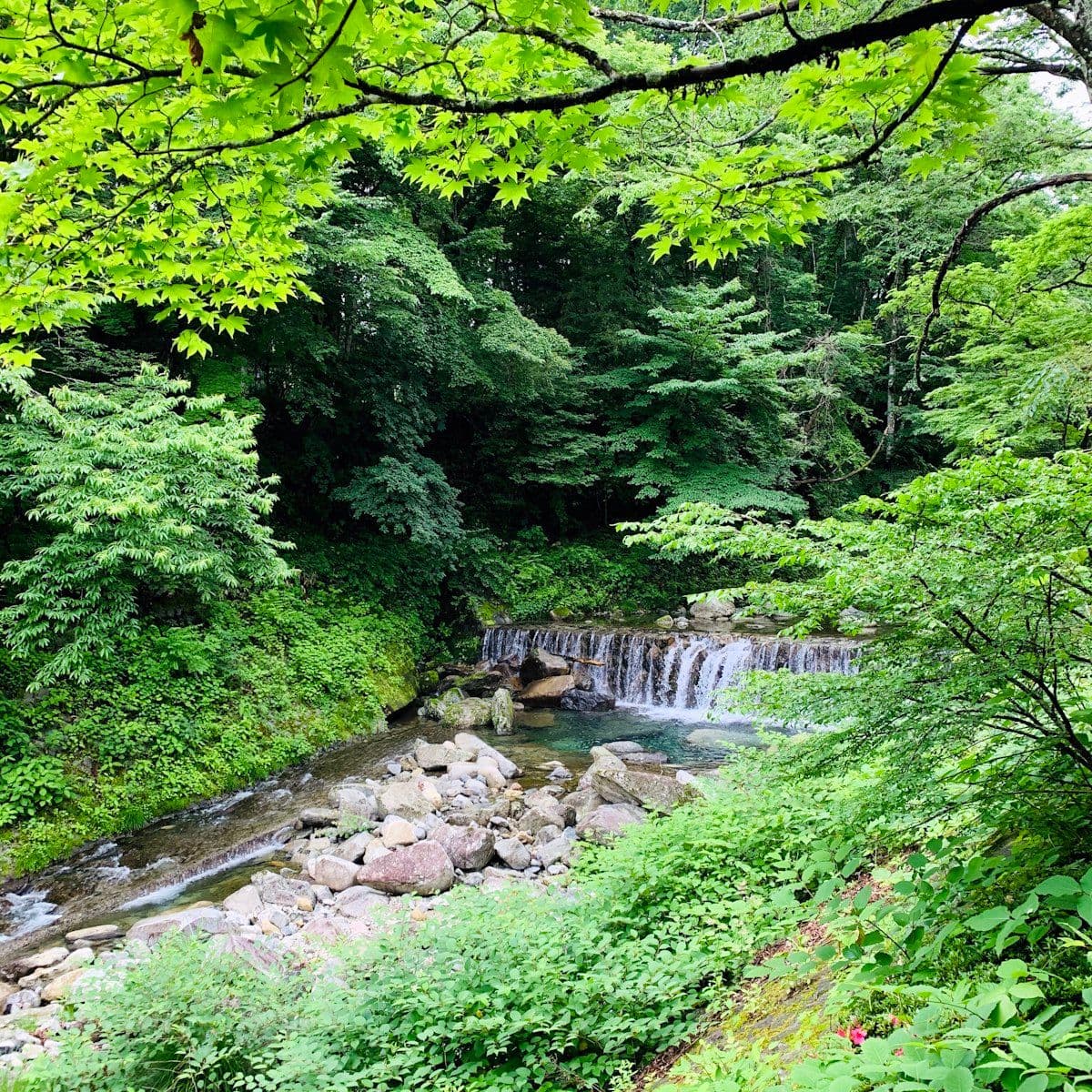
Start at the lower trailhead: take the bus from Aomori Station to Yakeyama (Oirase Keiryu Onsen stop), approximately 90 minutes. The Oirase River emerges from the gorge here and the forest closes around the trail immediately.
Walk upstream (Yakeyama to Nenokuchi): 14 kilometres, 3–5 hours at viewing pace. Fourteen named waterfalls along the trail. The largest, Choshi Otaki, is at the upper section. The trail surface is packed gravel and is suitable for regular walking shoes in dry conditions (trail shoes recommended in rain).
Highlights by kilometre: Km 3 (Ashura Flow — wide, shallow, fast river section); Km 6 (Kumoi Otaki — S-curve waterfall); Km 11 (Choshi Otaki — widest waterfall); Km 14 (Nenokuchi — Lake Towada trailhead).
Nature
Oirase Gorge in Autumn: How to Walk Japan's Most Spectacular Leaf-Viewing Trail
In October, Oirase Gorge becomes something else entirely. Here is how to walk Japan's finest autumn forest trail.
Arrive Nenokuchi by late afternoon. Check in at lakeside accommodation (Towada Promenade or Towada Kanko Electric Railway guesthouses) for the night. Dinner at the hotel or at one of the small restaurants near the Yasumiya visitor area.
Day 2: Lake Towada
Morning: walk the lake perimeter road east from Yasumiya to Nenokuchi (approximately 4 kilometres, 1 hour). The lake surface in morning is often still and reflects the surrounding hills. The Towada Shrine, 500 metres into the walk, is a wood-and-stone structure in the trees that has been here since the 9th century.
Late morning: boat cruise on the lake (1 hour, departing from Yasumiya pier). The lake's water is one of Japan's clearest — visibility up to 15 metres. The surrounding hills are visible through the water on clear days.
Lunch at Yasumiya: hime-masu (landlocked salmon, endemic to Lake Towada), smoked and served over rice. The fish has been in the lake since it was introduced in the Meiji period and is now considered a regional specialty.
Afternoon: Towada Art Center in Towada City (30 minutes by bus from Yasumiya). Large-scale outdoor sculptures by Yayoi Kusama, Yoshitomo Nara, and others are installed in the streets around the museum, creating one of Japan's best integration of contemporary art and urban space. The permanent collection requires 90 minutes minimum.
Return: bus from Towada Art Center to Hachinohe (90 minutes), shinkansen south to Sendai or Tokyo.
Best Seasons
Autumn (October): peak colour in the gorge (October 15–30). The combination of the gorge in autumn colour and the lake reflecting hillside foliage is the year's visual highlight.
Spring (May–June): fresh green in the old-growth forest, high water in the waterfalls from snowmelt.
Summer (July–August): cool and green. The gorge is considerably cooler than lowland Japan in August — a climate refuge as well as a landscape.
Winter: the gorge is accessible but some waterfalls freeze and the trail can be icy. The lake area is more accessible by car in winter.