Itinerary— all
How Many Days Do You Need in Tohoku? (An Honest Answer by Trip Type)
May 13, 2026
The honest answer depends on what you want from Tohoku. Here's a guide by trip type: 3 nights, 5 nights, 7 nights, and 10+ nights.
The most common question about Tohoku travel planning is also the most difficult to answer generically: how many days do you need? The answer depends almost entirely on what you want from the region — whether you are ticking boxes or settling in, whether you want one unforgettable experience or a comprehensive picture of all six prefectures.
Here is an honest breakdown by trip type, with the trade-offs clearly stated.
3 Nights: The Highlight Reel
What you can do: one core experience done well. Either the Sendai–Matsushima axis (city, bay, oysters, culture), a single-focus onsen trip (Ginzan Onsen or Nyuto Onsen with two nights in the mountains), or Morioka as a food-focused base with a day trip to Hiraizumi.
What you cannot do: cover more than one part of the region. Three nights forces a choice.
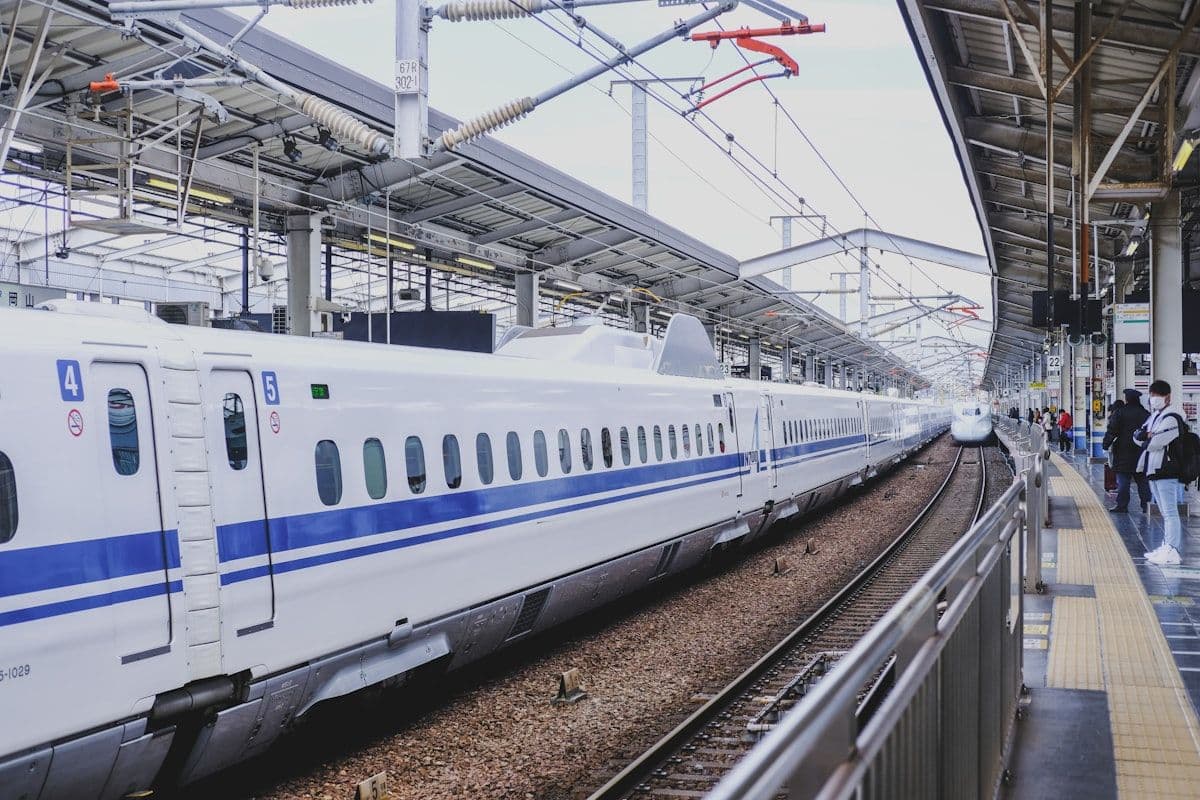
Best for: travelers adding Tohoku as a two-three night extension to a Tokyo-focused Japan trip. The shinkansen from Tokyo to Sendai takes 90 minutes, so Tohoku is logistically easy to add.
Sample 3-night: Night 1 Sendai, Night 2 Matsushima or Ginzan Onsen, Night 3 Sendai (or extend to a fourth night at the onsen).
5 Nights: The Focused Deep-Dive
What you can do: two or three prefectures covered at a reasonable pace. A classic five-night route: Sendai (2 nights) → Yamagata/Ginzan (1 night) → Akita/Nyuto (2 nights). Alternatively: Morioka (2 nights) → Aomori/Hirosaki (2 nights) → Sendai (1 night transit).
Itinerary
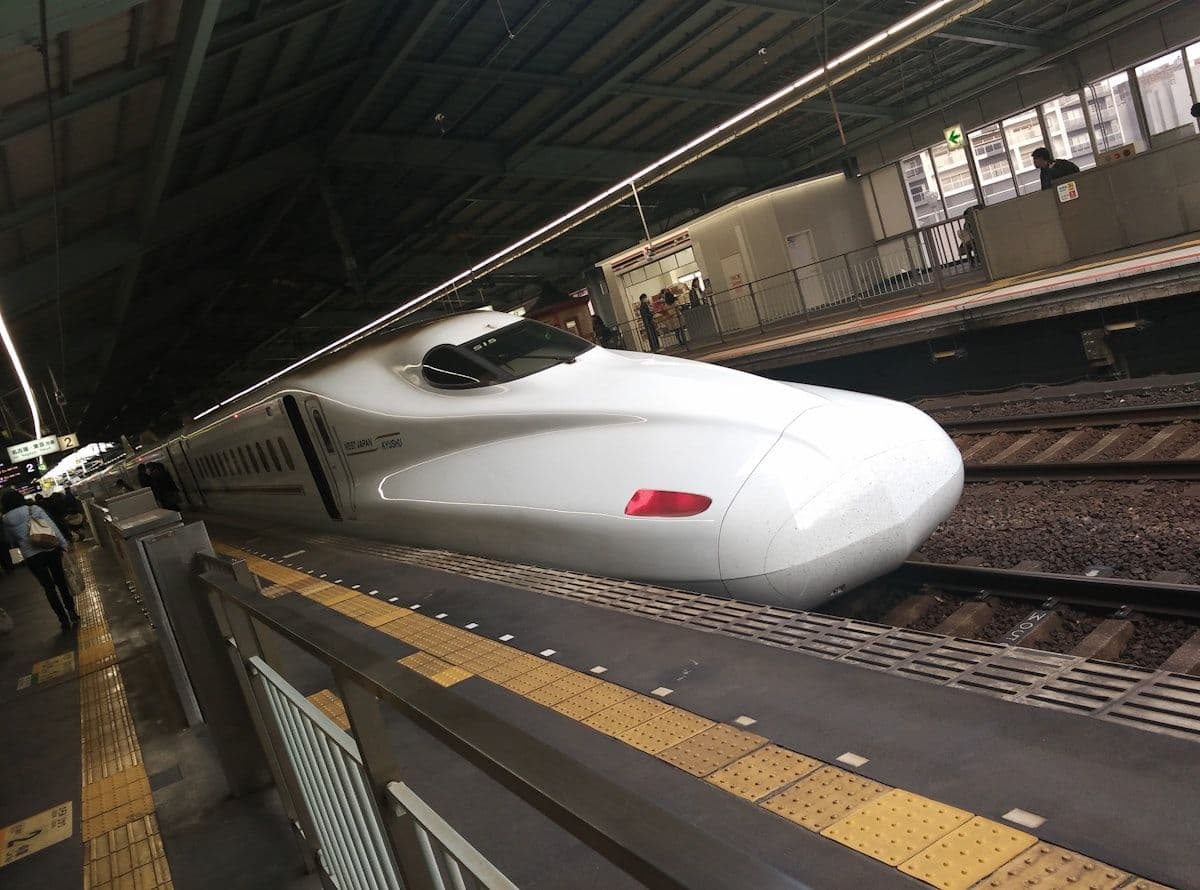
Tohoku by Rail: The Ultimate JR Pass Guide for First-Timers
Tohoku is easier to navigate by train than most visitors expect. Here's the complete guide to passes, routes, and what the rail network can and cannot do.
What you cannot do: cover the full region or spend enough time in each place to discover its second layer.
Best for: first-time Tohoku visitors who want a genuine experience rather than a sampler. Five nights is enough to feel like you actually went somewhere.
Sample 5-night: Night 1–2 Sendai, Night 3 Ginzan Onsen, Night 4–5 Nyuto Onsen (Akita). Return to Tokyo via Tazawako → Shinkansen.
7 Nights: The Proper Trip
What you can do: four or five prefectures at a comfortable pace. One full slow day in each place. The itinerary starts feeling like travel rather than transit. Seven nights allows for the slow travel approach: one major stop every one to two nights, with enough time to walk somewhere twice and discover what you missed the first time.
Best for: travelers making Tohoku the main destination of a Japan trip, rather than an addition to Tokyo/Kyoto.
Sample 7-night: Night 1–2 Sendai (Matsushima day trip), Night 3 Ginzan Onsen, Night 4–5 Nyuto Onsen, Night 6 Morioka, Night 7 Aomori (fly or shinkansen home next day).
10+ Nights: The Full Tohoku
What you can do: all six prefectures at a proper pace. Explore Fukushima (Aizu castle, lacquerware, wild Pacific coast). Spend two nights in Aomori rather than one. Add the Dewa Sanzan pilgrimage circuit in Yamagata (two to three days on its own). Visit the Shirakami-Sanchi UNESCO forest in Aomori.
Best for: Japan repeat visitors who have done the Golden Route and want to go deeper. Also ideal for slow travelers, photographers, or anyone with a specific interest in Japanese food, craft, nature, or festival culture.
Sample 10-night: Night 1 Fukushima/Aizu (first shinkansen stop from Tokyo), Night 2–3 Sendai, Night 4 Ginzan Onsen, Night 5 Yamagata/Dewa Sanzan base, Night 6–7 Nyuto Onsen, Night 8 Morioka, Night 9 Hirosaki/Aomori, Night 10 Aomori (departure).
Practical Factors That Affect the Answer
Festival timing
If you are coming for the August festivals (Nebuta in Aomori, Kanto in Akita, Tanabata in Sendai — all within four days of each other), build your entire itinerary around those dates and add onsen/nature days before and after. The festivals themselves warrant a dedicated trip.
Cherry blossom or autumn leaves
Seasonal travel in Tohoku is highly date-dependent. Kakunodate cherries peak in late April. Nyuto Onsen foliage peaks in late October. If you are coming for a specific seasonal event, plan the rest of your days around that anchor date.
Onsen depth
A serious onsen trip — spending two or three nights at different ryokan, doing the Nyuto meguri, comparing spring compositions — needs at least five nights just for the onsen portion. Add more days for everything else.
The Honest Recommendation
Seven nights is the answer that most travelers who have done Tohoku give in retrospect. Three nights feels like you barely arrived. Five nights is good. Seven nights is the first trip where you come back and say: I need to go back. Allow more than you think you need. The pace of Tohoku rewards the extra day.