Itinerary— all
Akita Travel Guide: The Tohoku Prefecture Nobody Has Figured Out Yet
May 10, 2026
Akita sits in the northwest corner of Tohoku, facing the Sea of Japan, and most travelers never make it here. That oversight is the reason to come.
Akita sits in the northwest corner of Tohoku, facing the Sea of Japan, and most travelers never make it here. That oversight is precisely the reason to come. Where other Japanese destinations have been polished for foreign consumption, Akita has not. The onsen towns are quieter, the sake is stranger and more interesting, the festival lanterns are taller, and the rice — Akita Komachi, among Japan's most prized varieties — is grown in fields that have barely changed in centuries.
This guide covers everything you need to plan a trip to Akita: what to see, where to eat, how to get around, where to stay, and when to go. It is written for people who want more than a checklist.
Why Akita
Akita prefecture covers 11,612 square kilometres of mountains, rivers, and rice paddy. It borders the Sea of Japan to the west and the Ou Mountains to the east — a geography that produces extreme seasons and, as a consequence, people who have adapted to them with considerable ingenuity. The winter here is brutal. That is why the sake is so good, why the festival fire burns so fierce in February, and why the hot spring culture runs so deep.
In 2023, Akita had the lowest population density of any Tohoku prefecture. In 2024, it had one of the lowest inbound tourism numbers in Japan. These are not warning signs. They are the conditions that make a place worth visiting.
What to See in Akita
Kakunodate: The Samurai District
Kakunodate is the most visited town in Akita, and with good reason. The preserved samurai quarter — a grid of earthen walls and two-storey wooden residences shaded by weeping cherry trees — is among the best in Japan. Unlike Kyoto's samurai sites, which charge steep entry and route you past souvenir shops, Kakunodate's bukeyashiki district is mostly open, walkable, and free.
The Aoyagi family residence is the largest and most impressive to go inside. The Ishiguro house is the oldest and the most atmospheric. Both charge modest admission. Allow two to three hours for the full district. If you come in late April, the cherry blossoms over the stone walls are genuinely extraordinary — photographs do not prepare you for the weight of them.
Nyuto Onsen: The Seven Baths in the Mountain
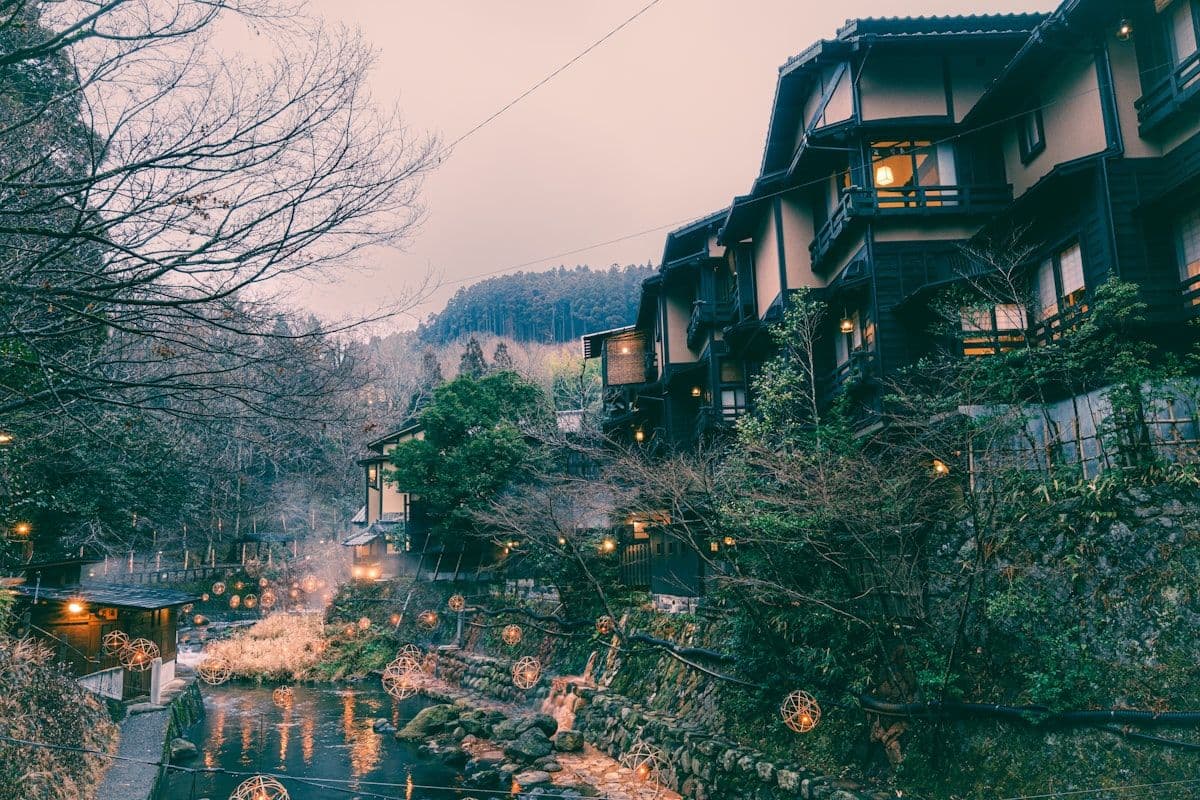
Forty minutes by bus from Tazawako station, the Nyuto Onsen cluster sits at 750 metres elevation, accessible in winter only by a snow-packed road. Seven ryokan operate here, each with its own source spring, its own mineral composition, its own temperature and colour. The tradition of meguri — visiting multiple baths on a single day — is built into how the complex operates. A shared pass covers all seven.
Tsurunoyu is the oldest and most photographed, with thatched roofs and an open-air mixed bath that feeds from a white milky spring. Book months ahead. Magoroku is quieter and harder to reach — a single wooden building beside a fast stream where the water is iron-brown and the air smells of minerals. There are no vending machines. No WiFi. No phones that work. This is the point.
Lake Tazawa: The Deepest Lake in Japan
At 423 metres, Lake Tazawa is the deepest lake in Japan. It does not freeze in winter because its depth prevents the surface temperature from dropping far enough. In summer, its water is a cobalt blue that seems artificially intense until you understand that it is real — the colour of very deep, very clear, iron-poor water.
The Tatsuko bronze statue on the lakeshore is the postcard image of the lake — a golden figure reaching upward from the water — but the better experience is renting a bicycle and completing the 20-kilometre circumference route. The road passes through cedar forest, lakeside villages, and open hillside with views of Mount Komagatake to the north. Allow three to four hours, more if you stop at the onsen towns along the western shore.
Oga Peninsula: Namahage Country
The Oga Peninsula juts into the Sea of Japan like a fist. It is windy, rocky, and sparsely inhabited, with fishing villages on the north coast and cliffs on the south. The peninsula is most famous as the home of Namahage — the demon figures of New Year's Eve who visit houses to frighten children into good behaviour. The Oga Shinzan Folklore Museum and its attached Namahage Museum is the place to understand this tradition properly.
Onsen
Nyuto Onsen: The Thatched-Roof Baths at the End of the Mountain Road
Seven ryokan, seven springs, one mountain in Akita. Nyuto Onsen is Japan's finest onsen district — and one of its least internationally known.
The coastline itself repays exploration. Godzilla Rock — a natural rock formation near Monzen on the north coast — sounds gimmicky and turns out to be genuinely dramatic at sunset, when the silhouette against the Sea of Japan horizon earns its name. Ikaho hot spring (not to be confused with the famous Gunma version) on the western tip of the peninsula is unknown to most tourists and excellent.
Akita City: Where the Kanto Festival Lives
Akita's prefectural capital does not appear on most itineraries, which makes it a useful counterpoint to the more scenic stops. The Kanto Festival in August transforms the city: teams of performers balance enormous bamboo poles hung with paper lanterns — up to 50 lanterns on a single pole, totalling 50 kilograms — on their foreheads, shoulders, hips, and palms. The skill involved is disturbing in the best way. The crowd presses close. The poles sway and recover. The lanterns never fall.
Outside of festival season, Senshu Park — the former castle grounds — is worth an hour, as is the Atorion building housing the Akita Museum of Art, which contains a remarkable collection of Fujita Tsuguharu's large-scale works.
What to Eat in Akita
Kiritanpo is Akita's signature dish: mashed rice formed around bamboo skewers, toasted over charcoal, then added to a hot pot with chicken, burdock, and vegetables in a golden chicken broth. It is the kind of food that requires cold weather and no rush. Every region of Akita makes it slightly differently — the rice is more or less firm, the broth is more or less intense.
Hatahata is a small, gelatinous fish endemic to the Sea of Japan that arrives in Akita in November. It is used in everything: grilled, simmered, turned into shiokara (a fermented paste), and most distinctively, brewed into shottsuru — a fish sauce with an intensity that makes Thai nam pla seem restrained. Dishes cooked in shottsuru are specific to Akita and not replicated anywhere else in Japan.
Akita's sake deserves a section of its own. The prefecture produces some of Japan's most awarded bottles. Aramasa, based in Akita City, is the cult favourite: a historic brewery that abandoned modern techniques entirely in favour of traditional wooden vessels and natural fermentation. Bottles sell out years in advance. The brewery does limited tours for those who apply early. Beside Aramasa, Taiheizan, Kariho, and Dewatsuru are more accessible and equally serious.
Where to Stay in Akita
For Onsen: Nyuto Onsen
Tsurunoyu is the famous option — book six months ahead minimum for peak season (January-February and late April). Tsuru no Yu accepts check-in only and has no common rooms or entertainment; it is purely for bathing and sleeping. A better choice for first-timers is Magoroku Onsen, which is quieter, cheaper, and has a more manageable booking window. Both are remote enough that you will need the shuttle bus or a car.
For History: Kakunodate
There are a handful of small ryokan and machiya guesthouses within or near the bukeyashiki district. Staying overnight allows you to walk the samurai streets in early morning, before day-trippers arrive from Morioka or Sendai. Several converted samurai residences now operate as guesthouses; check availability directly.
For Convenience: Akita City
Akita City has the full range of business hotels and a few higher-end options near the station. It serves as the most practical base for day trips to the peninsula, the lake, and Kakunodate. The Dormy Inn chain has a branch here with a rooftop onsen — useful if the mountain ryokan are not accessible on your timing.
Getting to and Around Akita
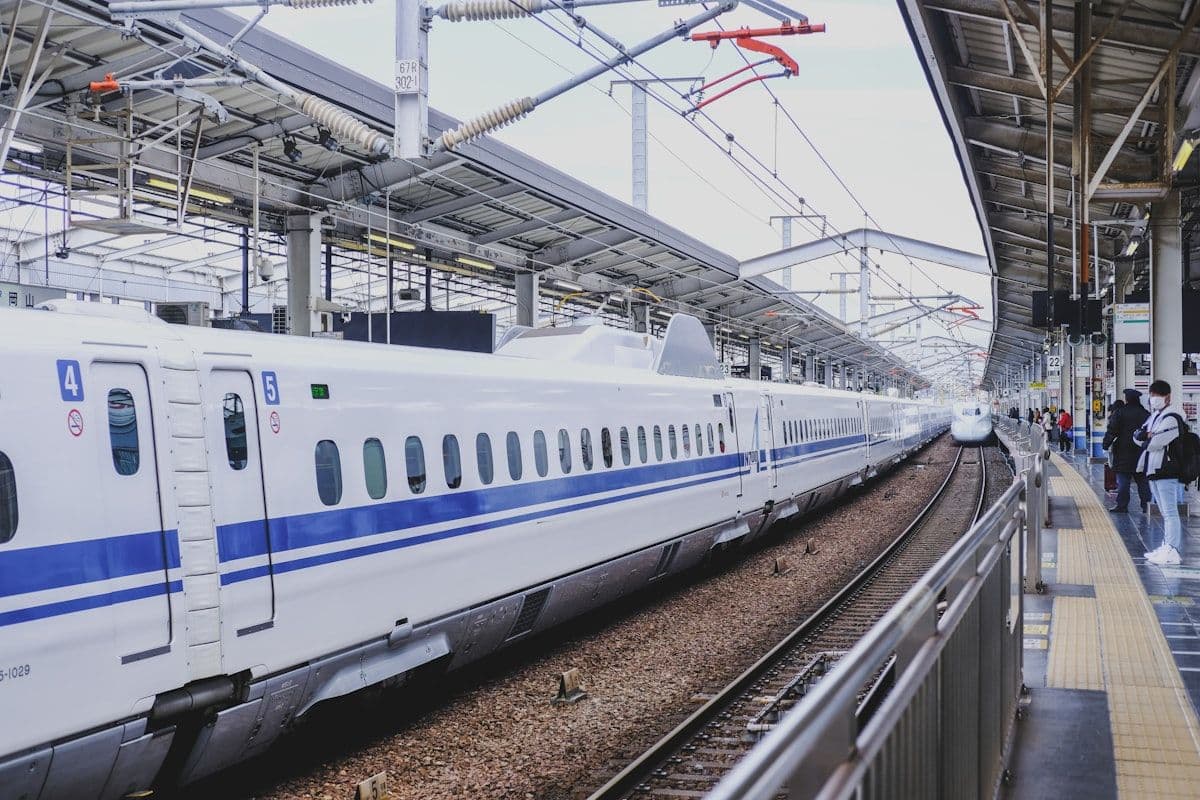
From Tokyo: The Komachi shinkansen runs direct from Tokyo Station to Akita in approximately three hours and forty minutes. Reservations are recommended on peak weekends. The JR East Tohoku Pass or the JR East Tohoku-South Hokkaido Pass covers this route.
From Sendai: The Shinkansen runs via Morioka (change to the Komachi line), or a regional train connects Sendai to Akita via Yamagata in around four hours — scenic but slow. The slower route passes through the Ou Mountains and is worth it if you are not in a hurry.
Within Akita: A rental car is the most efficient option for covering the prefecture. The bus network is functional but infrequent, especially to rural destinations like Oga Peninsula and Nyuto Onsen. Kakunodate and Lake Tazawa are on the shinkansen line and accessible without a car. For Nyuto Onsen specifically, the bus from Tazawako station runs several times per day and is the standard approach for non-drivers.
When to Visit Akita
August is the peak month for festivals: the Kanto Festival in Akita City runs from the 3rd to the 6th of August, and the accompanying summer heat makes the lanterns and the crowds feel especially vivid. Book accommodation months ahead.
Late April and early May bring cherry blossoms to Kakunodate — the famous weeping cherries over the samurai walls. This is the most photographed moment in Akita and the most crowded; arrive early morning on weekdays.
Winter, from December to February, is the most atmospheric but the least convenient. Nyuto Onsen's remote ryokan become their full selves under snow. The Namahage Sedo Festival at Oga's Shinzan Shrine in mid-February is extraordinary — fire, demons, and darkness — and almost nobody outside Japan knows about it.
Autumn, from late September through November, brings foliage to the mountains around Nyuto Onsen and Lake Tazawa. The crowds are smaller than spring and the light is better for photographs.
Frequently Asked Questions
Is Akita worth visiting?
Yes, if you want to see a Japan that is not performing for tourists. Akita has the onsen, the food traditions, the festivals, and the landscape. What it does not have is the crowds, the overpriced souvenir shops, or the sense that the town has been configured for people who have come to photograph it. This is either a problem or a feature, depending on who you are.
How many days do I need in Akita?
Three nights is a reasonable minimum for a meaningful visit: one night in Kakunodate, one night at Nyuto Onsen, and one night in Akita City or on the Oga Peninsula. Five nights allows you to be slower and more deliberate, spending two nights at Nyuto and adding Tazawa Lake more fully.
Is English spoken in Akita?
Less than in Tokyo or Kyoto, more than you might fear. The major ryokan at Nyuto Onsen have English-language booking systems and some English-speaking staff. Kakunodate's main residences have English signage. In rural areas and older restaurants, a translation app is useful. The effort of navigating a place without a safety net of English is part of what makes Akita feel different.
Do I need a car in Akita?
For Kakunodate, Lake Tazawa, and Akita City: no, the shinkansen and local buses are sufficient. For Nyuto Onsen: the bus from Tazawako is adequate for the main cluster. For the Oga Peninsula: a car makes a significant difference. If you are planning to explore the peninsula properly, rent from Akita Station or Kakunodate.
When is the Kanto Festival?
The Akita Kanto Festival runs every year from August 3rd to 6th in Akita City. Evening performances begin around 7pm. Arrive by 6pm to secure a standing spot near the main street. The festival is free to attend. Restaurants along the route get very busy; book dinner early or eat before the performance begins.