Itinerary— all
Tohoku vs Hokkaido: Which Region Should You Choose?
May 18, 2026
Both are in northern Japan. Both have onsen, nature, and food cultures worth traveling for. Here is how to choose.
Hokkaido and Tohoku share some surface similarities: both are in northern Japan, both are cooler than the main island's central and southern regions, both have excellent onsen, strong food traditions, and landscapes that reward extended exploration. The question of which to visit — or which to visit first — comes up often enough that it deserves a direct answer.
They are not interchangeable. The right answer depends on what you are looking for.
Choose Hokkaido If...
You want dramatic open landscape
Hokkaido's geography is different from the rest of Japan. The island has wide plains, large farms, and a scale of open space that is unusual in a country generally characterised by mountains and narrow valleys. The Furano lavender fields, the Tokachidake volcanic plateau, the Shiretoko Peninsula's wilderness — these are landscapes without equivalent in Tohoku.
Skiing is your priority
Niseko has become the international default for Japan ski travel. The powder quality, the international resort infrastructure, and the English-language support make it the easiest ski destination in Japan. Furano and Rusutsu are strong alternatives within Hokkaido. Tohoku has excellent ski areas (Zao, Appi, Hachimantai) but they are oriented toward domestic visitors and have limited international infrastructure.
Itinerary
How Many Days Do You Need in Tohoku? (An Honest Answer by Trip Type)
The honest answer depends on what you want from Tohoku. Here's a guide by trip type: 3 nights, 5 nights, 7 nights, and 10+ nights.
You want the most accessible northern Japan experience
Flights to Sapporo New Chitose Airport from Tokyo (90 minutes), with direct services from Singapore, Seoul, and several other Asian cities. The Odori and Susukino areas of Sapporo are immediately accessible and tourist-friendly. First-time Japan visitors who want northern Japan in a self-contained, easy-to-navigate format: Hokkaido.
Choose Tohoku If...
You want onsen at their best
Tohoku has a concentration of extraordinary hot spring destinations that has no peer in Japan. Nyuto Onsen (seven ryokan, seven springs), Ginzan Onsen (most beautiful village), Zao Onsen (above a crater lake), Naruko Onsen, Sukayu Onsen (thousand-person bath, one of Japan's largest). The onsen culture in Tohoku is deeper and more varied than Hokkaido's.
Food culture is a priority
Both regions have excellent food. Hokkaido's strengths are dairy (butter, cheese, soft cream), seafood (crab, sea urchin, scallop), and ramen (Sapporo miso, Hakodate salt). Tohoku's strengths are more varied and more distinctly local: wanko soba, reimen, jaja-men, kiritanpo, gyutan, imoni, hatahata, sake. Neither is objectively better; Tohoku's food is less internationally familiar and more specific to its place.
History and culture matter to you
Tohoku has more historical depth than Hokkaido. The Ainu culture of Hokkaido is significant and increasingly well-presented, but the island was largely settled in the Meiji period (late 19th century). Tohoku's history runs to the 12th-century gold of Hiraizumi, the 1,400-year pilgrimages of Dewa Sanzan, the feudal samurai culture of Kakunodate. If you want Japan's history beyond Tokyo and Kyoto, Tohoku.
You want fewer international tourists
Hokkaido's Niseko, Sapporo, and the Furano-Biei area have become highly internationalized — prices reflect this, and the experience in peak season can feel less specifically Japanese than you might hope. Tohoku, at 3% of Japan's inbound visitor share, is still operating primarily for domestic tourism. The gap between the two regions in international visitor density is significant and currently growing in Hokkaido's favour.
The Compromise
If your Japan trip allows it: Tohoku first, Hokkaido second. Or Hokkaido for skiing and Tohoku for everything else. The two regions are separated by the Seikan Tunnel rail link (Hokkaido Shinkansen) or a two-hour flight — combining both in a single trip of 12+ days is possible and rewarding.
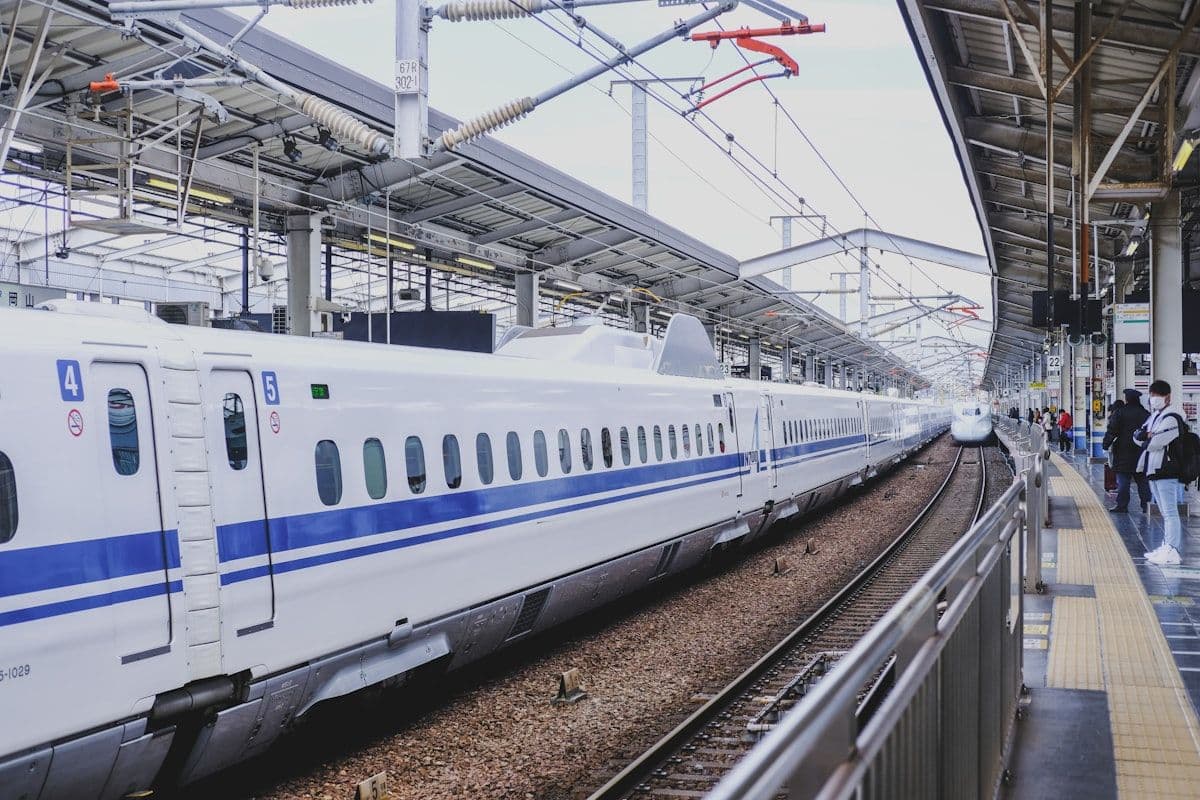
The Hokkaido Shinkansen from Tokyo reaches Hakodate in about 3 hours 45 minutes and continues to Shin-Hakodate-Hokuto, from where connections to Sapporo are possible. An itinerary that takes the Tohoku Shinkansen north to Aomori and then crosses to Hokkaido by train is one of Japan's great rail journeys.