Itinerary— all
The Perfect 10-Night Tohoku Itinerary from Hong Kong
May 10, 2026
Hong Kong to Tohoku: the route, the logistics, and ten nights that will reset your idea of what Japan can be.
Hong Kong travelers know Japan well. Many have done Tokyo three times and Kyoto twice. The better question — the one that produces the more interesting trip — is what comes next. The answer, increasingly, is Tohoku: Japan's northern region, six prefectures of mountain, sea, and living tradition that the rest of the world has not yet located on a map.
This itinerary is built for ten nights from Hong Kong. It covers the route, the logistics, and a day-by-day framework loose enough to allow for weather, detours, and the kind of slow days that define a trip worth taking. It is designed to be done without a car, using Japan's shinkansen and regional buses, though renting a car for sections of it makes parts significantly easier.
The Hong Kong to Tohoku Route
Cathay Pacific operates direct flights from Hong Kong International Airport to Tokyo Narita (approximately four hours, forty minutes) and to Osaka Kansai. For a Tohoku trip, Narita is the more efficient arrival airport. Alternatively, Cathay's codeshare partner Japan Airlines operates Hong Kong to Tokyo Haneda — Haneda is slightly more convenient for onward shinkansen travel, as the Yamanote Line connects it to Tokyo Station in roughly thirty minutes.
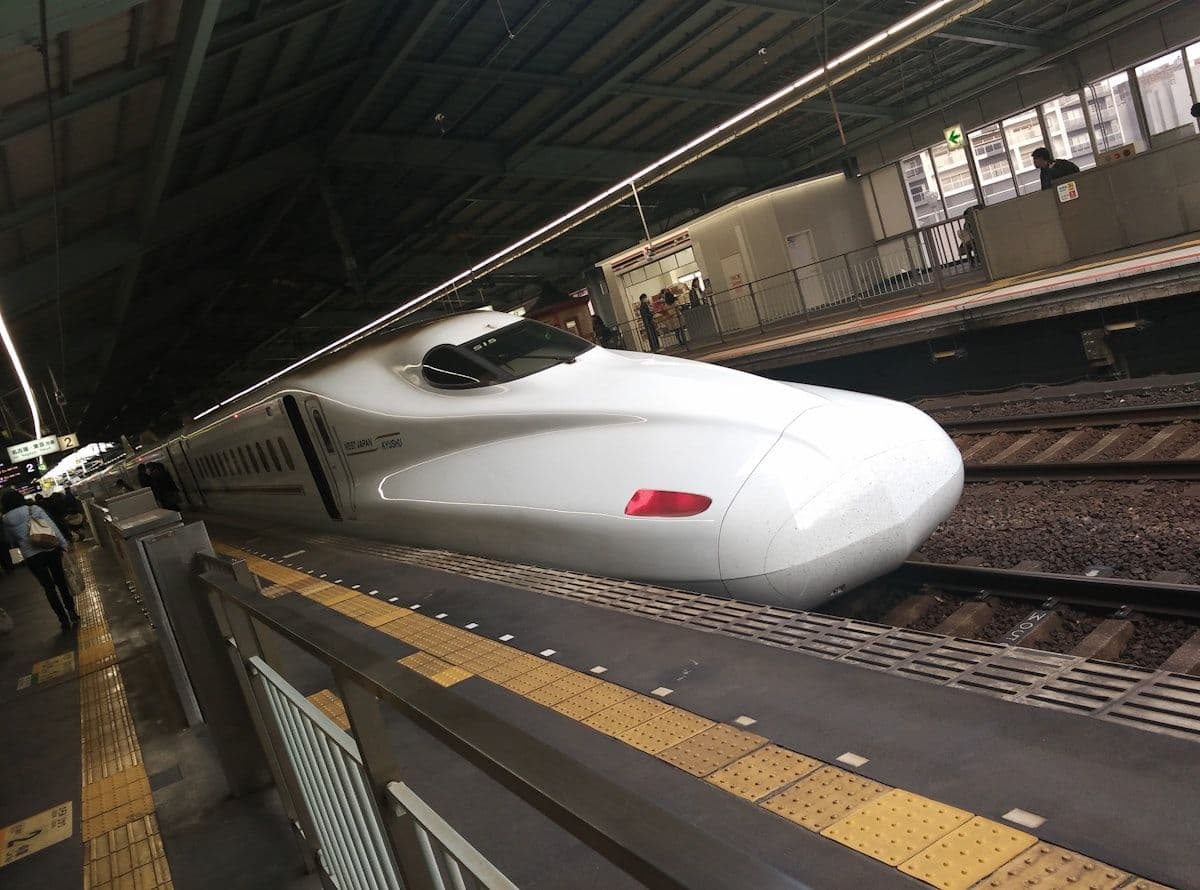
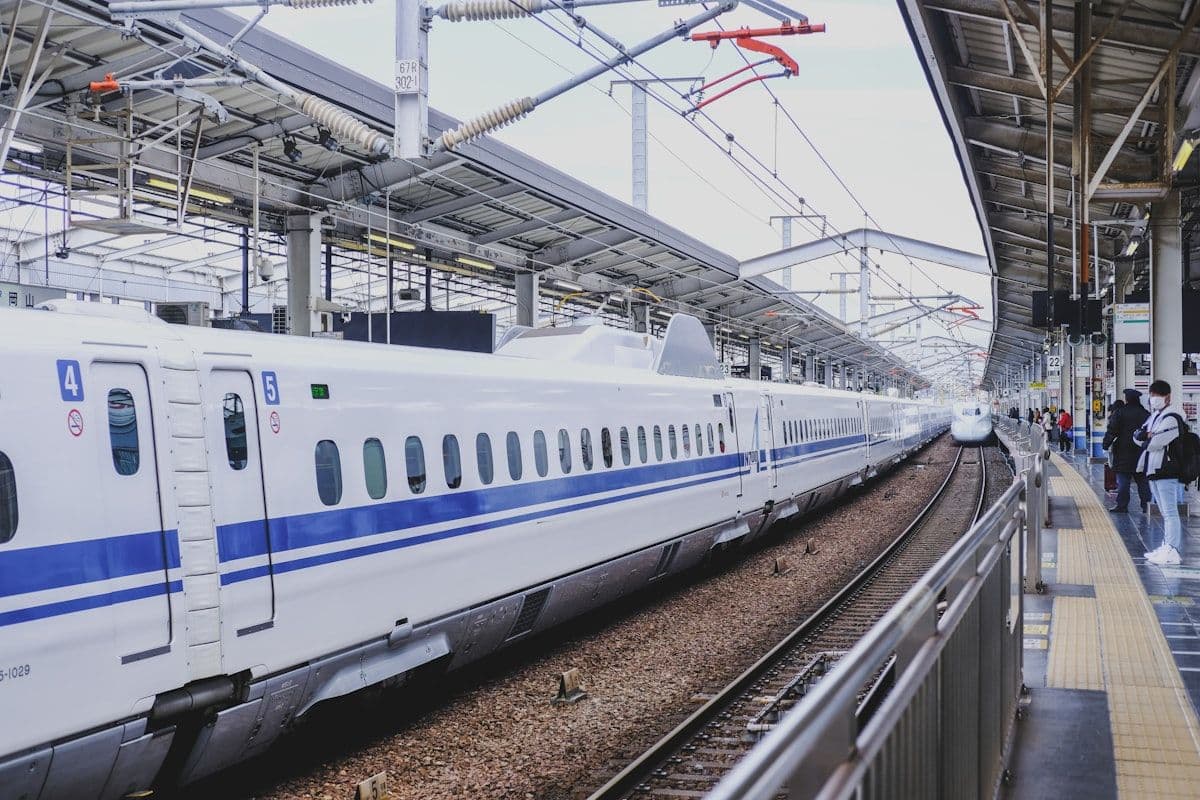
From Tokyo, all Tohoku destinations are accessible by the Tohoku Shinkansen. The journey to Sendai (Miyagi) takes approximately ninety minutes. Morioka (Iwate) is two hours. Shin-Aomori (Aomori) is three hours. The JR East Tohoku Pass covers the full shinkansen network and most regional lines in Tohoku — for a ten-night trip covering multiple prefectures, it is almost always worth purchasing.
Recommended pass: the JR East Tohoku Area Pass (14 days, around ¥30,000) covers unlimited shinkansen travel in Tohoku plus several reserved seat bookings. Purchase before leaving Hong Kong through JR's official website or a licensed travel agent; it cannot be purchased in Japan.
The 10-Night Itinerary
Nights 1–2: Tokyo (Transit)
Arrive Tokyo. Rest the first evening — the four-hour flight from Hong Kong is short enough that jet lag is minor, but Tokyo is best appreciated with fresh energy. On Day 2, use Tokyo as a staging day: activate your JR Pass, book reserved shinkansen seats for the trip north, and if time allows, walk the neighborhoods between Yanaka and Nezu, which offer a preview of the older, quieter Japan you are heading toward. Depart for Tohoku on the morning of Day 3.
Nights 3–4: Sendai, Miyagi
Take the Hayabusa shinkansen north to Sendai. At ninety minutes from Tokyo, it arrives before the afternoon is gone. Sendai is Tohoku's largest city and a useful orientation point — it has excellent restaurants, a compact central area, and the infrastructure to ease you into the region.
Day 3: Aoba Castle ruins and the surrounding park; dinner in Kokubuncho, Sendai's restaurant district, where beef tongue (gyutan) is the local specialty. Day 4: Day trip to Matsushima — a bay of pine-covered islands considered one of Japan's three official scenic views. The forty-minute train ride from Sendai drops you at Matsushima Kaigan station, a short walk from the waterfront. Rent a rowboat or take the short cruise between islands. Return to Sendai for the night.
Night 5: Ginzan Onsen, Yamagata
From Sendai, a train to Oishida (via Yamagata, one hour forty minutes) and then a forty-minute bus delivers you to Ginzan Onsen — the most visually striking hot spring village in Japan. Taisho-era wooden ryokan line a narrow gorge, their gas lanterns reflected in the river below. In winter, heavy snow adds a layer of unreality.
This is a one-night stay at minimum; two nights if the ryokan is available and the budget allows. The village is small enough that you will cover its main lane in twenty minutes, but the onsen is the point — book a private bath at your ryokan for early morning, before other guests rise. Book Ginzan Onsen accommodation three to six months in advance, especially for winter weekends and Golden Week.
Nights 6–7: Nyuto Onsen or Kakunodate, Akita
Itinerary
How Many Days Do You Need in Tohoku? (An Honest Answer by Trip Type)
The honest answer depends on what you want from Tohoku. Here's a guide by trip type: 3 nights, 5 nights, 7 nights, and 10+ nights.
From Oishida, a train back through Yamagata toward Akita via the Ou Main Line, or a more direct connection from Shinjo. The journey takes two to three hours depending on connection timing. Alternatively, continue north to Morioka and approach Nyuto Onsen via Tazawako station — forty minutes by bus from there.
Night 6: Nyuto Onsen. Choose from seven ryokan ranging from the famous Tsurunoyu (thatched roof, milky white bath, book months ahead) to smaller, quieter options like Magoroku. The "meguri" day pass allows bathing at all seven baths — buy it at your own ryokan on the morning of Day 7 before checkout. Night 7: Kakunodate, the best-preserved samurai district in Tohoku. Stay within or near the bukeyashiki quarter and walk the earthen walls at dawn.
Night 8: Morioka, Iwate
Morioka became internationally known when it appeared on the New York Times "52 Places" list in 2023. The city is compact, walkable, and built around three noodle traditions that exist nowhere else in Japan: wanko soba (a relay race of small soba bowls), Morioka reimen (cold buckwheat noodles with watermelon, in a beef broth), and jaja-men (a hand-kneaded noodle with fermented miso sauce, finished tableside with a raw egg and ladle of hot broth).
Eat at Azumaya for wanko soba — arrive for lunch and expect to sit at a long counter while servers refill your bowl without pause until you put the lid on. Order Morioka reimen at Pyon Pyon Sha near the station for dinner. Walk Kaiundori and the old bank district in the late afternoon, when the light on the stone buildings turns gold.
Night 9: Hiraizumi or Hirosaki, Iwate / Aomori
Option A — Hiraizumi (Iwate): A UNESCO World Heritage Site thirty minutes south of Morioka by shinkansen. Chusonji Temple holds the Konjikido — a golden hall built in the 12th century and preserved with a precision that still puzzles conservation experts. The site was once the rival of Kyoto in wealth and sophistication; today it is nearly empty of foreign visitors. Spend the day, then continue north to Aomori or return to Morioka.
Option B — Hirosaki (Aomori): Known for its castle and the most celebrated cherry blossoms in Tohoku, Hirosaki is two and a half hours from Morioka by limited express. Outside cherry season, the reconstructed castle and the surrounding western-style Meiji-era architecture make it worthwhile. Stay one night and day-trip to Aomori city or the Shirakami mountain foothills.
Night 10: Aomori City, Aomori
Aomori City is the terminal point of the Tohoku Shinkansen. The Nebuta Warasse museum on the waterfront stores several of the enormous illuminated floats from the Nebuta Festival, which runs every August — seeing them up close, even out of season, is remarkable. The dimensions are difficult to imagine from photographs.
The Auga fish market near the station opens early and closes by early afternoon. Arrive by 8am for the best selection: sea urchin from the Tsugaru Strait, scallops larger than your fist, and several fish varieties that never leave the prefecture. The morning bowl of uni and ikura over rice, eaten at the counter of one of the market's small restaurants, is a way to end the trip.
Returning to Hong Kong
From Aomori, the shinkansen south to Tokyo takes approximately three hours to Morioka, then a further two hours to Tokyo. Allow four and a half to five hours total for the journey, plus time at the station. Tokyo to Hong Kong on Cathay Pacific runs multiple times daily — the evening departures typically arrive Hong Kong around midnight local time.
Alternative: ANA operates seasonal direct flights from Tokyo Narita to Sendai (Miyagi), which can shorten your final transit if you prefer to exit Tohoku from the south. Check availability for your specific travel dates.
Budget Guide
Mid-range (¥15,000–25,000 per night)
Business hotels in Sendai and Morioka are well-priced and often include breakfast. Mid-range ryokan at Kakunodate and Ginzan Onsen (non-peak periods) fall in this range, usually with dinner and breakfast included — the two meals are worth factoring into your daily budget comparison.
Luxury (¥35,000–80,000+ per night)
Tsurunoyu at Nyuto Onsen, the top Ginzan Onsen ryokan during winter weekends, and Hoshino Resorts properties across the region (including KAI Tsugaru near Hirosaki) fall in this range. All-inclusive ryokan pricing at this level usually includes kaiseki dinner, breakfast, private bath access, and shuttle service. For couples, it is often the most cost-efficient way to eat and bathe well.
Budget (under ¥10,000 per night)
Capsule hotels in Sendai and Morioka, guesthouses in Kakunodate, and some of the smaller ryokan in Nyuto Onsen (Kurabuchi and Ogama) are accessible at budget prices. Nyuto's budget options require booking further ahead than equivalent Tokyo accommodation — the village's limited capacity means availability disappears quickly.
Practical Tips
JR Pass: Purchase before departure from Hong Kong. The JR East Tohoku Area Pass (valid 14 days) covers shinkansen in Tohoku. The nationwide JR Pass is worth considering if you are also spending significant time in Kyoto or Osaka.
Cash: Tohoku is more cash-dependent than Tokyo. 7-Eleven ATMs accept international cards almost universally; Japan Post and some regional banks also work. Withdraw enough before leaving major cities — rural onsen towns rarely have ATMs.
Mobile data: A SIM card or eSIM purchased before departure (Ubigi, Airalo, or iIJmio for Japan) provides reliable coverage in all major Tohoku cities and most tourist destinations. Some mountain areas near Nyuto Onsen have limited or no signal — plan offline maps in advance (Maps.me or Google Maps offline).
Language: English signage is common in Sendai, Morioka, and at major tourist sites. Smaller restaurants, rural bus stations, and traditional ryokan often have limited English. Google Translate's camera function is useful for menus. Most ryokan with an English website will have at least one staff member who can communicate in basic English.
Tatami and ryokan etiquette: Remove shoes at the entrance, place them in the provided rack. Wear the yukata (provided robe) for dinner if the ryokan allows it — most traditional ryokan encourage this. Bathing is communal and nude; tattoos are restricted at some traditional baths. Ask when booking if this is relevant to your travel party.
Best Season for Hong Kong Travelers
Spring (late April – early May): Cherry blossoms at Kakunodate and Hirosaki Castle. Book six months ahead. Crowds are significant on weekends but manageable on weekdays.
Summer (August): Tohoku's festival season. Nebuta in Aomori, Kanto in Akita, Tanabata in Sendai — all in the first two weeks of August. Hotels in festival cities sell out by February for August dates. Hot but less humid than Tokyo.
Autumn (October – November): Foliage at Nyuto Onsen, Oirase Gorge, and Naruko Gorge. Cooler temperatures, smaller crowds, excellent photography.
Winter (January – February): The most cinematic season — snow-covered ryokan, open-air hot springs under falling snow, the Namahage Sedo Festival in Oga (mid-February). Cold (Ginzan Onsen can reach -10°C), but well-resourced for winter travel. Bring layers, not just a coat.