Itinerary— all
Fukushima Travel Guide: The Region That Earned Its Second Chapter
May 27, 2026
Fukushima's story is now one of recovery, craft, food, and mountains. The parts open to visitors are exceptional, and the misconceptions keeping travelers away are, by and large, wrong.
The name Fukushima carries a weight that few place names carry. The 2011 nuclear accident at the Fukushima Daiichi plant, and the media coverage that followed, attached the prefecture's name to an image that still shapes international travel decisions fifteen years later. The practical reality for visitors — where to go, what is open, what the situation actually is — is far removed from that image.
This guide is an honest accounting of Fukushima: what happened, what the current status is, and why the accessible parts of the prefecture — the Aizu basin, the Pacific coast, the mountain onsen — are worth visiting on their own terms.
The Practical Situation
The area directly around the Fukushima Daiichi plant, near the town of Okuma in the coastal Hamadori region, remains subject to restrictions. As of 2026, the majority of the restricted zone has been reopened, though some areas closest to the plant remain off-limits. The vast majority of Fukushima Prefecture — the western Aizu region, the central Nakadori, and most of the coast — was never within the evacuation zone and is entirely accessible.
Radiation levels in accessible Fukushima are comparable to those in many major cities around the world. The Japanese government, international health organisations, and independent monitoring all reflect this. The misconception that all of Fukushima is inaccessible or unsafe is simply incorrect, and it has kept international visitors away from one of Japan's most interesting prefectures.
Itinerary
How Many Days Do You Need in Tohoku? (An Honest Answer by Trip Type)
The honest answer depends on what you want from Tohoku. Here's a guide by trip type: 3 nights, 5 nights, 7 nights, and 10+ nights.
Aizu: Castle, Lacquerware, and Samurai History
The Aizu basin, in western Fukushima, was one of Tohoku's most significant castle towns. Aizuwakamatsu city is built around Tsurugajo castle — rebuilt in 1960s reinforced concrete but with original stone walls — and the Bukeyashiki samurai estate, one of the largest surviving samurai residential complexes in Japan.
The Aizu region was the last major battlefield of the Boshin War (1868–1869), which ended the feudal system and ushered in the Meiji era. The castle was besieged for a month. The story of the Byakkotai — a unit of teenage samurai who took their lives on a hill above the castle, believing it had already fallen — is one of the defining narratives of the transition from feudal to modern Japan. The hill, Iimori-yama, is now a memorial site with the graves of the nineteen young men and a view across the city.
Aizu lacquerware — urushi — is one of Japan's most technically distinguished craft traditions. The region's climate and the quality of its raw urushi sap produce lacquerwork of unusual depth and durability. The Aizu Lacquerware Hall near the city center explains the technique and sells contemporary work from local craftsmen.
Oze: Japan's Most Beautiful Wetland
In northern Fukushima (and extending into Niigata, Tochigi, and Gunma), the Oze wetland is Japan's largest highland marsh at 1,400 metres elevation. In summer (June–July), the marsh is carpeted with water lilies and yellow skunk cabbage. The boardwalk trail across the wetland is one of the finest walks in the country — flat, well-maintained, and in an environment that looks more like the Russian tundra than Japan.
Access: by bus from Numata or Utsunomiya, or from Aizuwakamatsu via the Tadami Line. The trail head at Ozeguchi is the most-used entry point. The season is short — the marsh is snow-covered until late May and begins its best flowering in late June.
Fukushima's Food
Fukushima Prefecture consistently ranks at or near the top of Japanese fruit production surveys. The peaches from Date city (Fukushima) and the apples from Aizu compete with Yamanashi and Aomori for best-in-class status. In autumn, the roadside stands selling white peaches and Tsugaru apples are a reason to drive rather than take the shinkansen.
The kitakata ramen from Kitakata city (northwest of Aizuwakamatsu) is considered by many Japanese food critics to be one of Japan's three great ramen styles. The broth is a clear soy base aged for years; the noodles are thick, flat, and slightly wavy; the chashu pork is slow-braised. Kitakata has over 120 ramen shops for a population of 50,000. The tradition of eating ramen for breakfast is specific to Kitakata and enthusiastically maintained.
Getting There
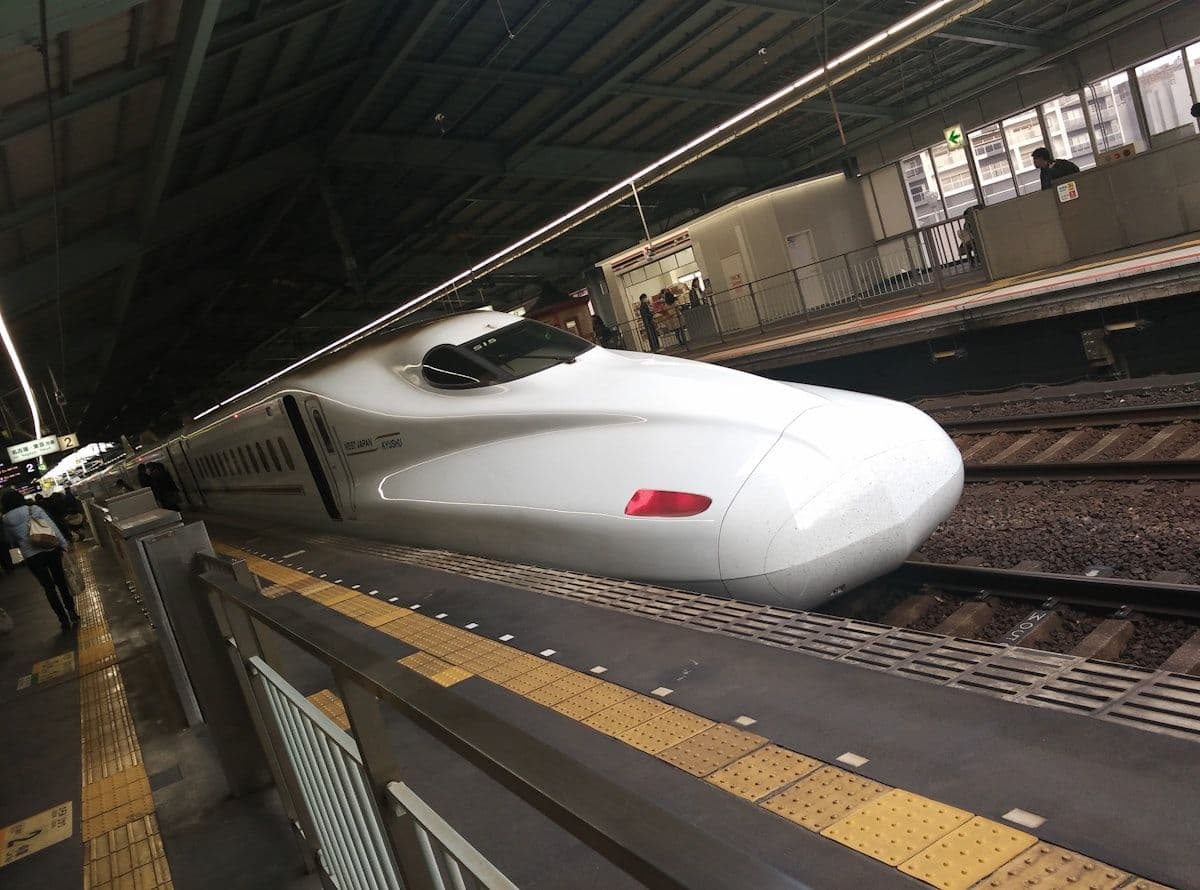
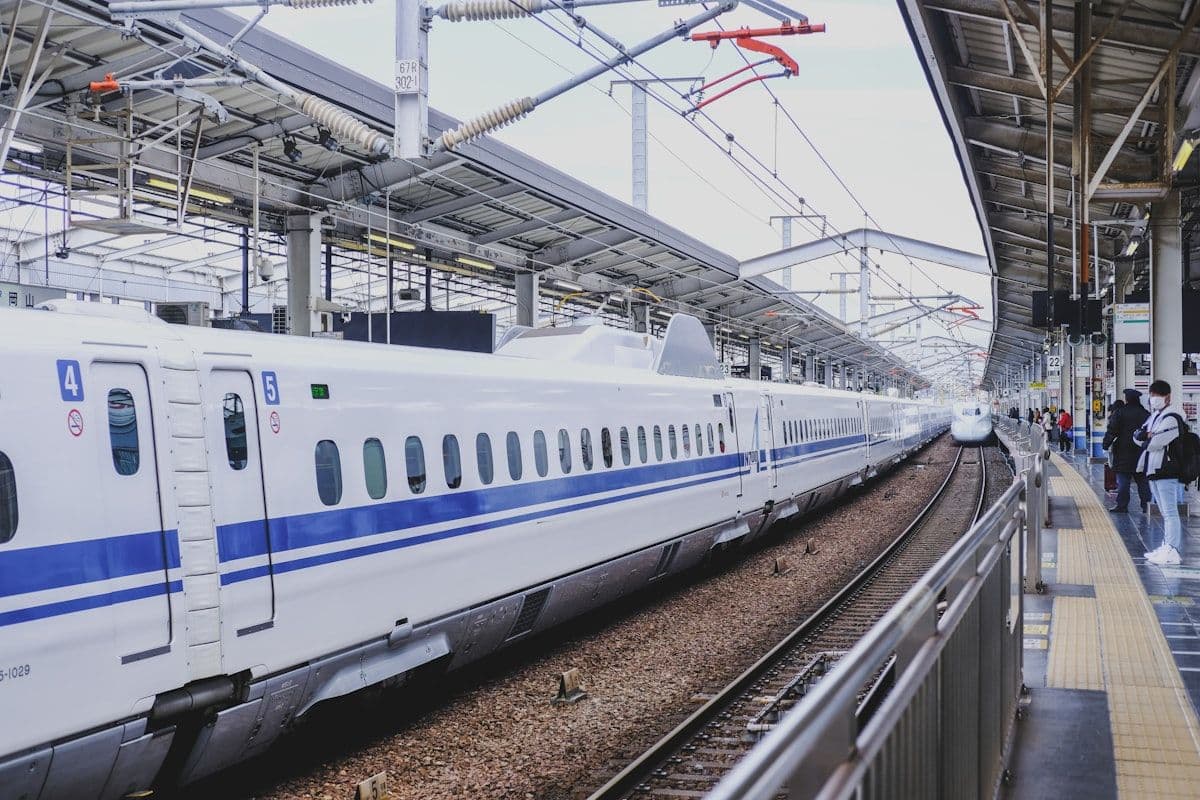
Fukushima Station is on the Tohoku Shinkansen (90 minutes from Tokyo, 45 minutes from Sendai). The Yamagata Shinkansen branches at Fukushima. For Aizuwakamatsu, take the Banetsu West Line from Koriyama (90 minutes by rapid train). The Tadami Line through the mountains to Niigata is one of Japan's most scenic rail journeys and runs from Aizuwakamatsu.