Itinerary— all
Iwate, Japan: Gold Temples, Three-Noodle Cities, and an Unvisited Pacific Coast
May 26, 2026
Iwate is Japan's second-largest prefecture by area and one of its least internationally known. It contains a UNESCO World Heritage site, the food culture of Morioka, and a Pacific coastline that most visitors never reach.
Iwate Prefecture is Japan's second-largest prefecture by area, after Hokkaido. It spans 120 kilometres of Pacific coastline from north to south and rises through the Kitakami highlands to the Ou Mountain range. It contains a city that the New York Times named one of the best places in the world to visit (Morioka, 2023), a UNESCO World Heritage complex that rivals Kyoto's most significant temples (Hiraizumi), and a coastal area so remote it receives fewer international visitors per year than most European cities receive in a day.
This guide covers the prefecture's three distinct regions: Morioka and the highlands, the Hiraizumi plain, and the Sanriku coast.
Morioka: The Three-Noodle City
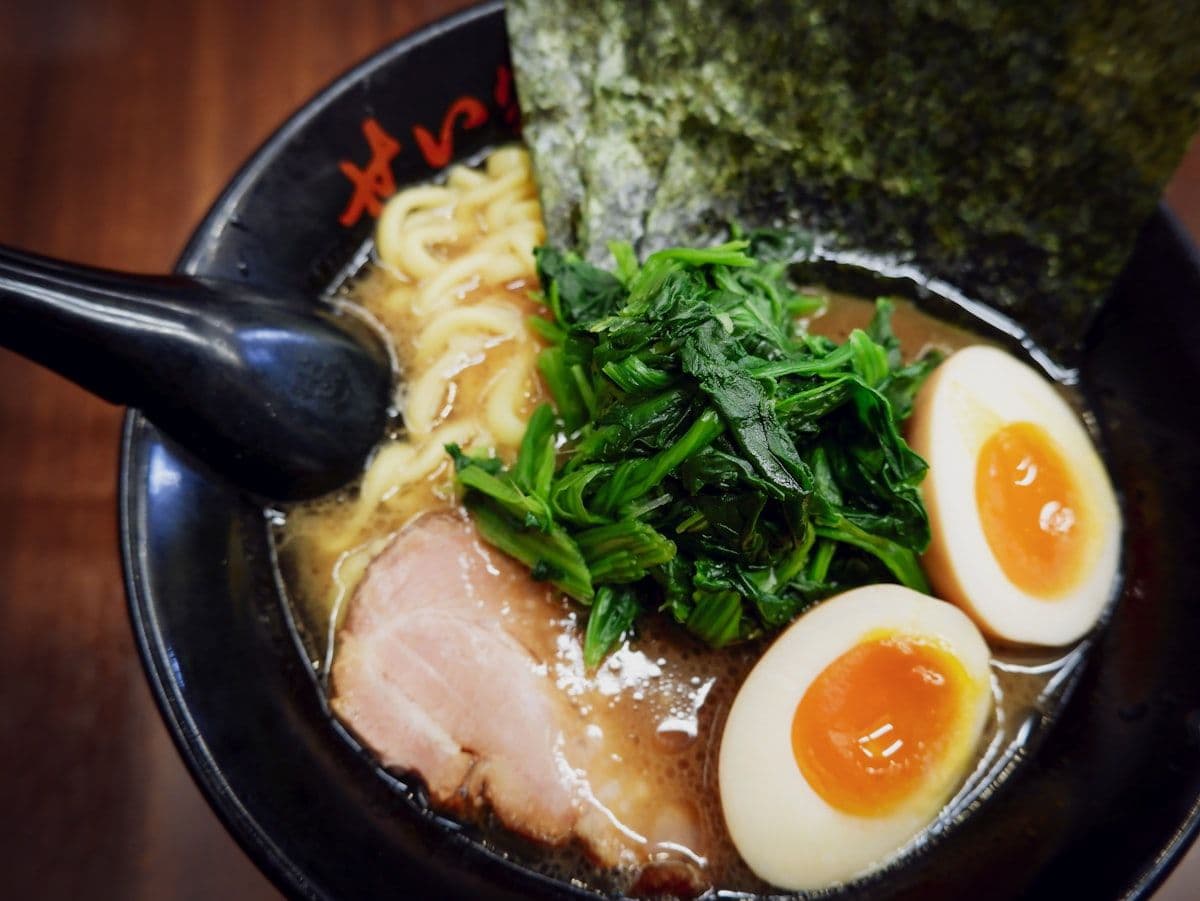
Morioka is a city of 300,000 on the Kitakami River, best understood through its food. Three noodle traditions exist here that are found nowhere else: wanko soba, Morioka cold reimen, and jajamen. The practice of eating all three in a single day — the Morioka noodle circuit — is the closest thing the city has to a tourist tradition, and it is one of the more pleasurable food itineraries in Japan.
Wanko soba is the most theatrical: small soba bowls delivered in rapid succession by servers who keep refilling your bowl until you physically place the lid on it. A competitive session involves 100–200 bowls. The leisurely version, which most visitors choose, ends at 50–70 bowls and takes about 45 minutes. Several restaurants on the main shopping street specialize in it. Azumaya is the most historic.
Food & Sake
Morioka's Three Noodles: The City That Settled the Carb Debate
Three noodle dishes. One small city. Morioka has more interesting food culture per capita than anywhere else in Japan.
Beyond food: the Kaiundori district north of the castle ruins contains the city's best walking architecture — Meiji-era stone banks and warehouses repurposed as coffee shops, craft stores, and galleries. The Iwate Bank Red Brick Branch (1911, by an architect trained under Josiah Conder) is among the best examples of Western-influenced Meiji architecture in Tohoku.
Hiraizumi: The Golden Hall
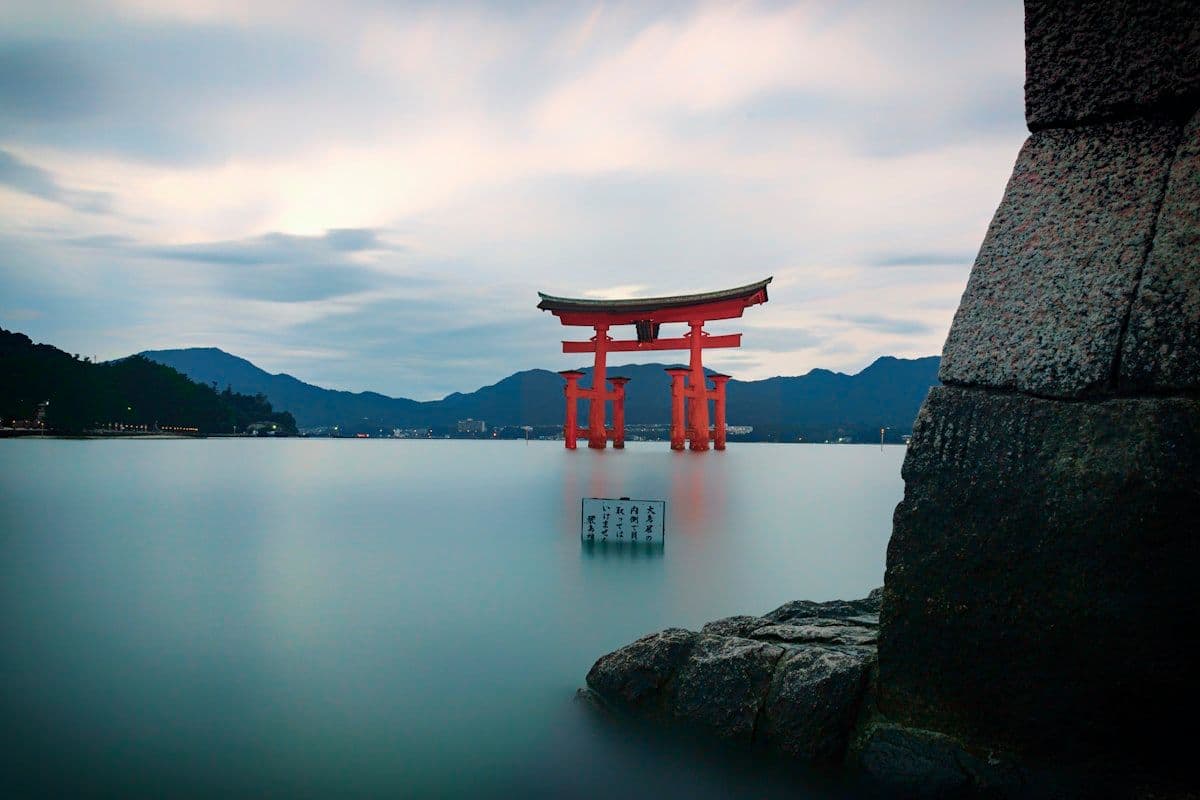
Hiraizumi, 50 kilometres south of Morioka, was the capital of the Oshu Fujiwara clan in the 12th century — a period when it rivalled Kyoto in wealth and cultural ambition. The Fujiwara lords built temples in the Buddhist Pure Land tradition: gardens representing paradise, halls decorated in gold to embody the Pure Land itself. Three generations spent a century building Hiraizumi into a city of 100,000 people and a centre of art and architecture that was, briefly, the finest in Japan.
What remains: Chusonji Temple, set in cedar forest on a hill above the town, contains the Konjikido — the Golden Hall, built in 1124, its every surface covered in gold leaf, lacquer, and mother-of-pearl inlay. Three generations of Fujiwara lords are enshrined within it. The hall has been preserved under a protective structure for nine centuries, and the effect on entering it — the contained gold in a small, dim space — is unlike anything else in Japan.
Motsuji Temple, below the hill, is equally significant in a different register: the gardens survive from the Heian period, their pond and stone arrangements maintained exactly as they were 800 years ago. UNESCO World Heritage status was granted in 2011. Visitor numbers remain modest compared to any equivalent site in Kyoto.
The Sanriku Coast
The Sanriku coast — Iwate's Pacific coastline — is one of Japan's great landscapes and one of its least visited by international travelers. The coast is a ria coastline: deep inlets, high cliffs, fishing villages tucked into narrow valleys where rivers meet the sea. The scale is dramatic and the access is difficult. That combination keeps it empty.
Jodogahama (Pure Land Beach) near Miyako is the coast's most accessible landmark: white pebble shore, unusual rock columns, water of transparent green-blue clarity. The name comes from the Buddhist concept of Pure Land — the appearance of paradise. A short ferry ride from Miyako offers the view from the water.
The Sanriku Railway, rebuilt after the 2011 tsunami, runs the length of the coast. A full journey from Kuji in the north to Sakari in the south takes approximately six hours. The views from the train — the ocean appearing and disappearing between headlands — make the journey worthwhile as its own activity.
Getting Around Iwate
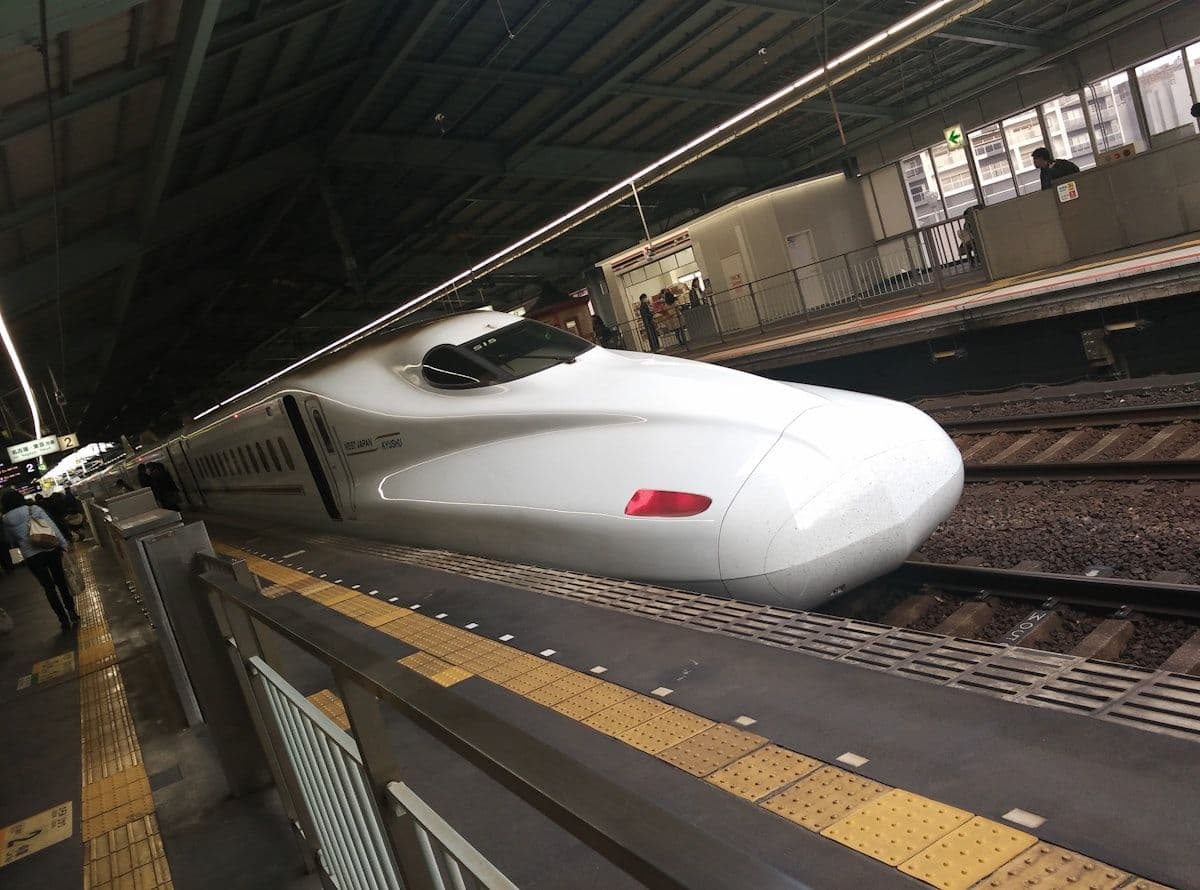
Morioka is on the Tohoku Shinkansen (2 hours from Tokyo). The Tohoku Main Line connects south to Hiraizumi (40 minutes). For the Sanriku coast, the fastest access is by express bus from Morioka to Miyako (2 hours), or by the Yamada/Sanriku railway network. A rental car from Morioka is the most flexible option for the coast and highlands.