Onsen— all
The Ryokan Standard: Why Tohoku's Inns Are Japan's Finest
May 19, 2026
The best ryokan in Japan are not in Kyoto. Here is why Tohoku's traditional inns set the standard — and which ones to book.
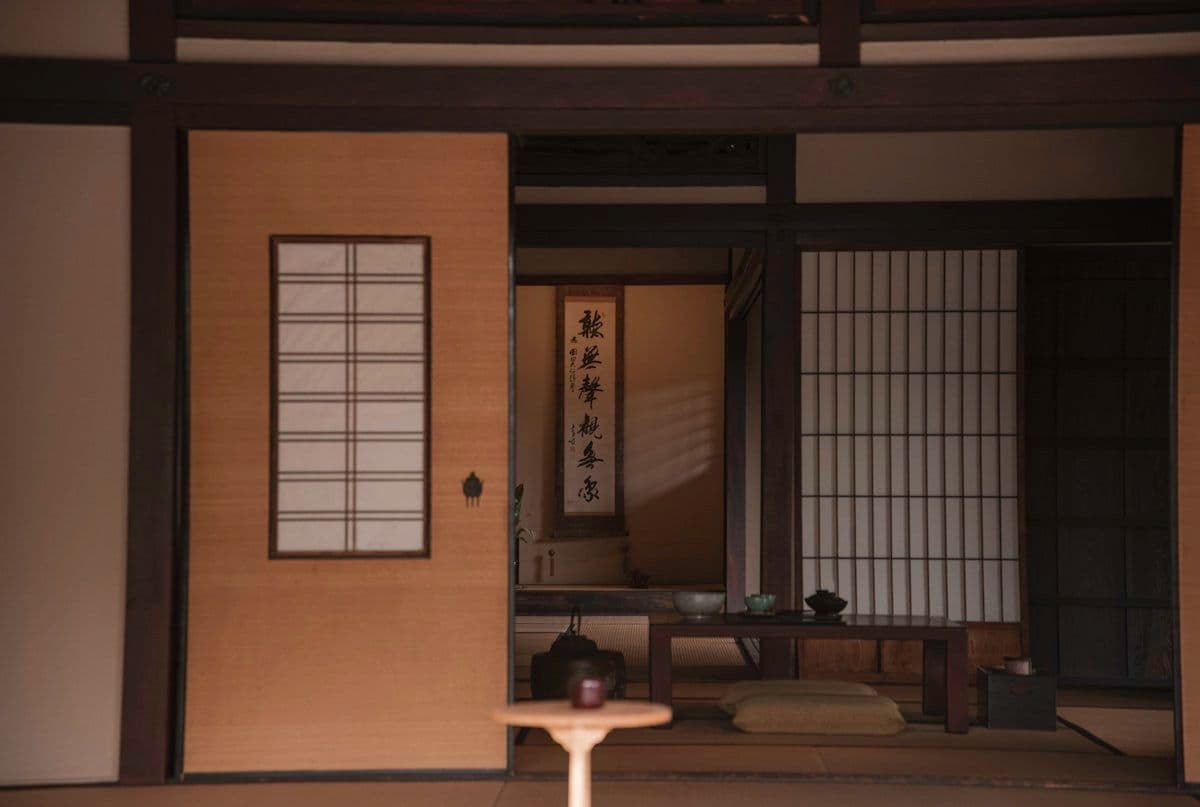
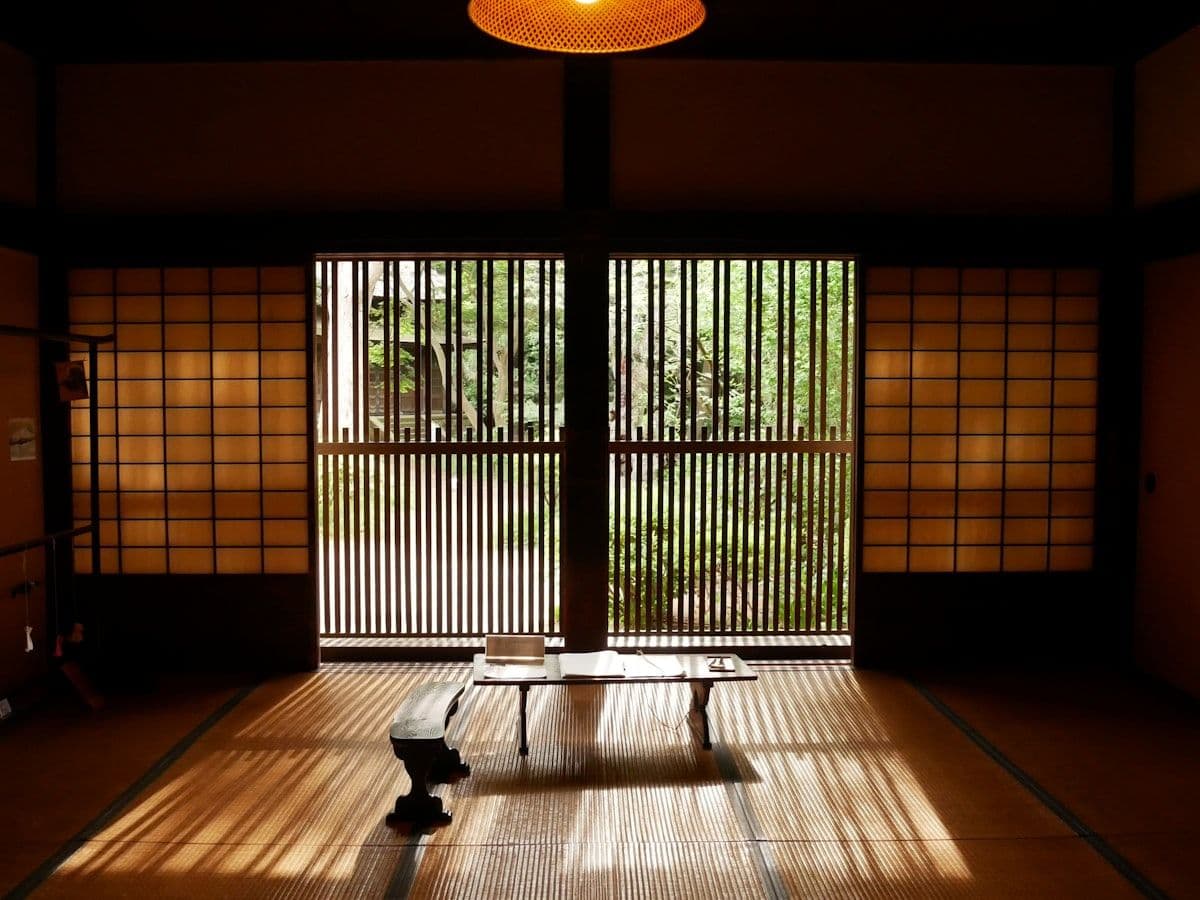
The ryokan — Japan's traditional inn, with tatami rooms, futon sleep, communal and private baths, and kaiseki dinner and breakfast included — exists as a concept across all of Japan. What makes a great ryokan is not the concept but the execution: the quality of the water in the baths, the seasonal intelligence of the kaiseki menu, the ratio of tranquility to activity, the age and character of the building.
By these measures, Tohoku's ryokan set the standard. The concentration of exceptional hot spring water, the food traditions of the region, and the absence of international tourist pressure that keeps prices high in Hakone and Kyoto produces inns that are, in aggregate, better than their equivalents anywhere else in Japan.
What Makes a Tohoku Ryokan Different
The water. Tohoku sits over geological formations that produce an extraordinary variety of spring water — sulphur, iron, calcium, alkaline, acidic — often within the same valley. The water at Tsurunoyu turns milky white from silica. The water at Kuroyu is dark with sulphur. The water at Ginzan Onsen is clear and slightly alkaline. Each mineral composition produces a different sensation on the skin and in the body.
The food. Tohoku's kaiseki tradition draws on ingredients that are specific to the region: mountain vegetables (sansai) that cannot be found in Tokyo markets, rice varieties that are prized across Japan, river fish from unpolluted mountain streams, seafood from two coasts with different characters. A kaiseki dinner at a good Tohoku ryokan is a different meal from kaiseki in Kyoto — regional rather than refined, rooted in what the land produces rather than what the tea ceremony tradition prescribed.
The Best Ryokan by Occasion
Most Atmospheric: Tsurunoyu, Nyuto Onsen (Akita)
Onsen
Nyuto Onsen: The Thatched-Roof Baths at the End of the Mountain Road
Seven ryokan, seven springs, one mountain in Akita. Nyuto Onsen is Japan's finest onsen district — and one of its least internationally known.
Thatched rooftops, a milky white outdoor bath, log buildings from the 17th century, no mobile signal, mountains in every direction. Tsurunoyu is the ryokan photograph that appears on every Japan travel account. The experience matches the image. Book six months ahead for winter weekends.
Most Beautiful Village Setting: Notoya Ryokan, Ginzan Onsen (Yamagata)
The most architecturally distinctive building in the most beautiful village in Japan. Six storeys of dark Taisho-era wood above the Ginzan River, gas lanterns lit from dusk. The combination of location, architecture, and hot spring quality is unique.
Best Food: Takamiya, Zao Onsen (Yamagata)
The kaiseki at Takamiya draws on both Zao's mountain vegetable tradition and Yamagata's extraordinary rice and sake culture. The chef changes the menu seasonally with particular intelligence. Paired with Zao's sulphur baths, it produces the best overall ryokan experience in Yamagata.
Most Historically Significant: Sukayu Onsen, Aomori
The thousand-person bath (senninburo) at Sukayu is one of Japan's largest communal baths — a single wooden building containing a 1,000-square-metre bath filled with white, sulphur-rich water from the Hakkoda mountain hot spring. The ryokan has been in operation since 1684. Nothing else in Japan has quite this combination of scale, history, and water quality.
Best Value: Magoroku Onsen, Nyuto Onsen (Akita)
The most remote and least expensive of the Nyuto cluster. A single wooden building beside a fast stream. The water runs iron-brown. There are no vending machines. Excellent food in a pilgrim tradition, at prices 30–40% below the more famous properties in the cluster.
Booking Practical Notes
Most Tohoku ryokan require full payment at check-in in cash. Bring yen. ATMs in rural onsen areas are often limited or domestic-card-only.
English booking: the larger and more internationally aware ryokan (Tsurunoyu, Notoya, Sukayu) have English-language reservation systems online. Smaller ryokan may require email booking in Japanese. Using a Japanese travel agent or the platform Jalan (which has English) can simplify this.
Cancellation: most ryokan have strict cancellation policies — often 100% charge for same-day cancellation. Book only when your travel dates are confirmed.
What is included: dinner and breakfast are usually included in ryokan pricing. The dinner is kaiseki — multiple courses over 60–90 minutes, served in your room or a private dining area. Declining dinner in advance is possible at most ryokan but reduces the value significantly.